
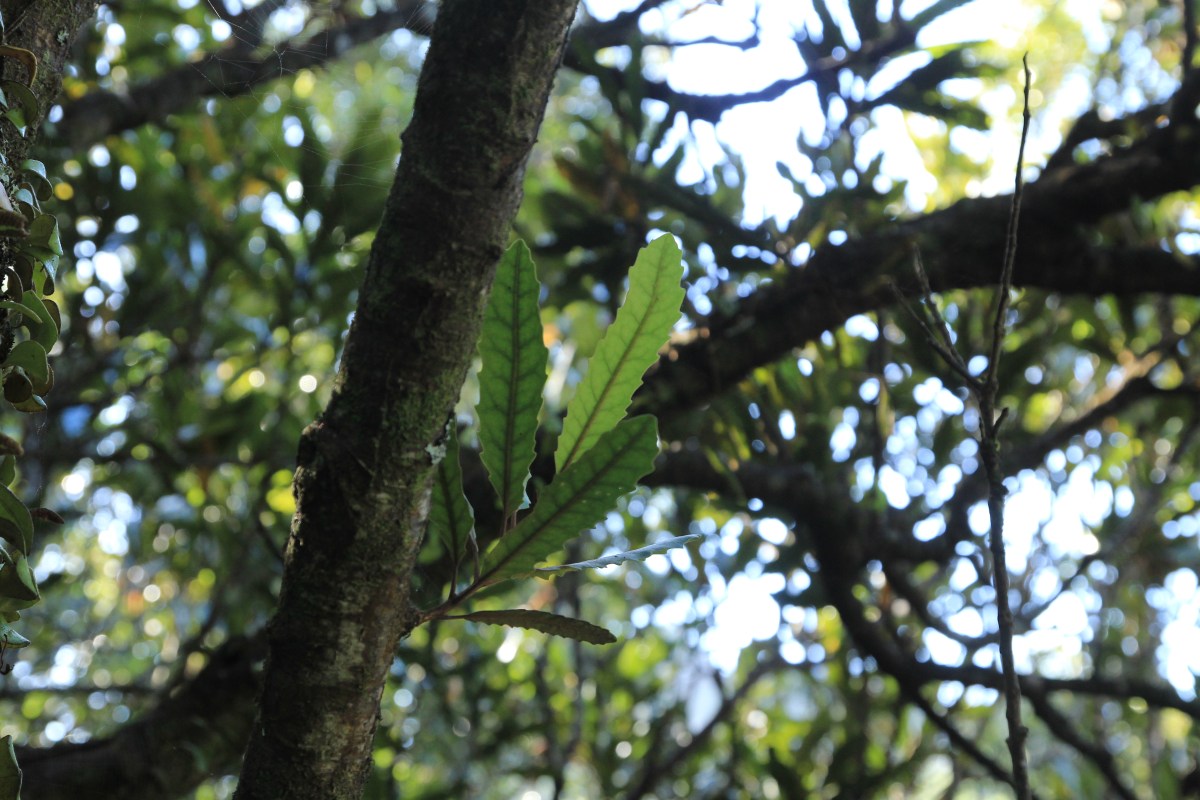
Know the native flora in Tawa reserves – Rewarewa- (from Gil Roper’s writings)
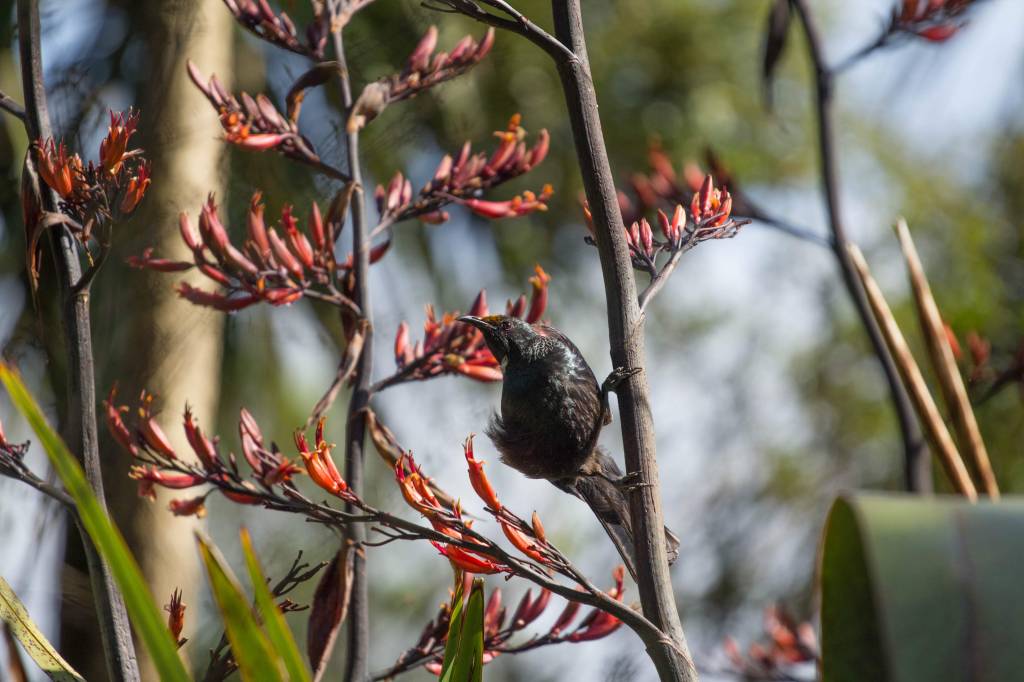
Rewarewa NZ Honeysuckle, Knightia excelsa A member of the protea family, the conical, vertical columns ascend 30 metres into the canopy layer and often above it. There are several tall trees in Redwood Bush with abundant seedlings growing. The leathery, elongated, dark green juvenile leaves have a prominent mid-rib and marginal teeth, and these leaves…
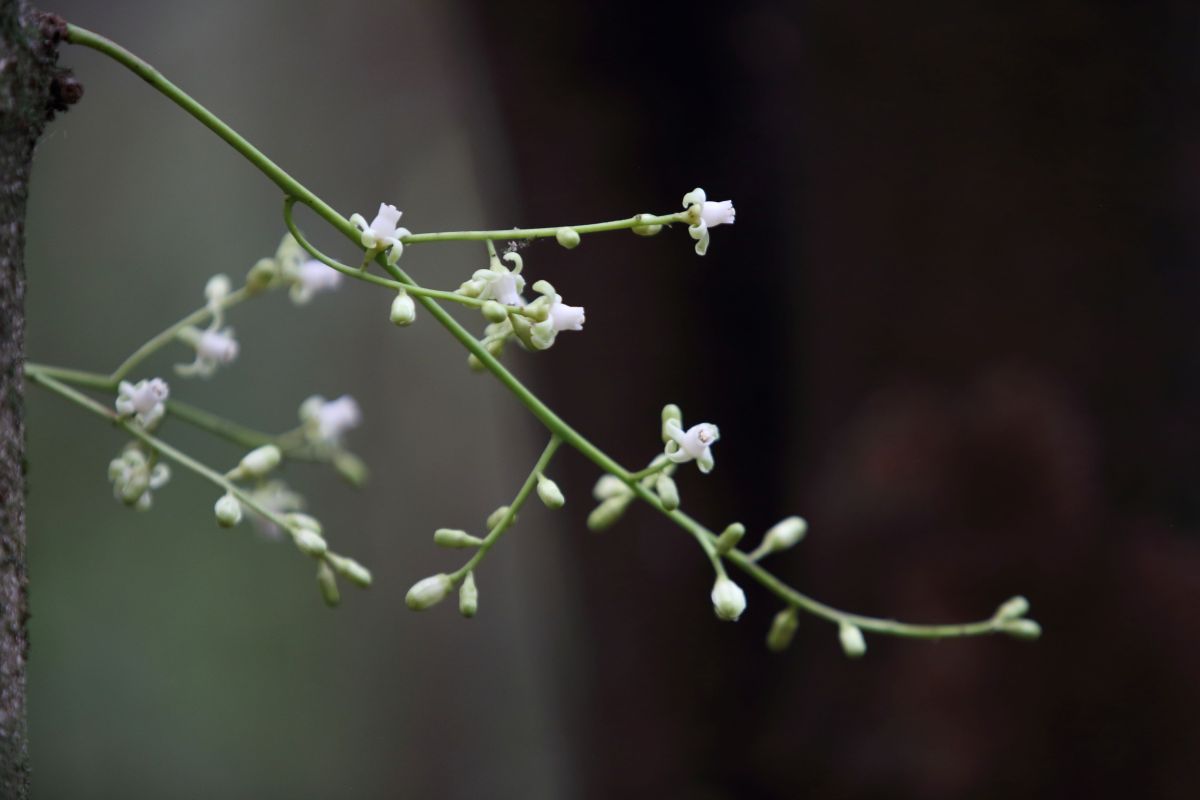
Kohekohe flowering time!
Kohekohe in flower in Tawa reserves
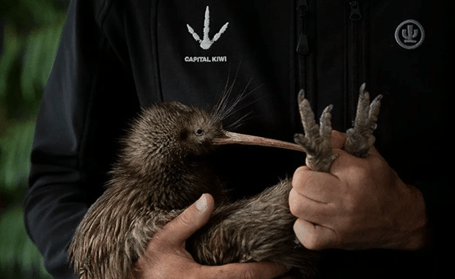
Great turnout and talk from Capital Kiwi at the AGM 2025
Kiwi wow AGM! Those attending the April AGM were treated to a brief business session before guest speakers Paul Ward and Jeff Hall from Capital Kiwi gave a stunner of a presentation on the successful reintroduction of kiwi to the wild on the outskirts of Wellington. Trapping began in 2018 before the first of 206…
Your Place
It’s not just Tawa’s 10 reserves that make up our natural environment – our conservation activities in our own home micro-reserves can also make a big difference What’s happening at your place? We’d love to share information on your activities – please send your contributions to newsletter@tawabush.org.nz Ongaonga, or native stinging nettle, is the only…
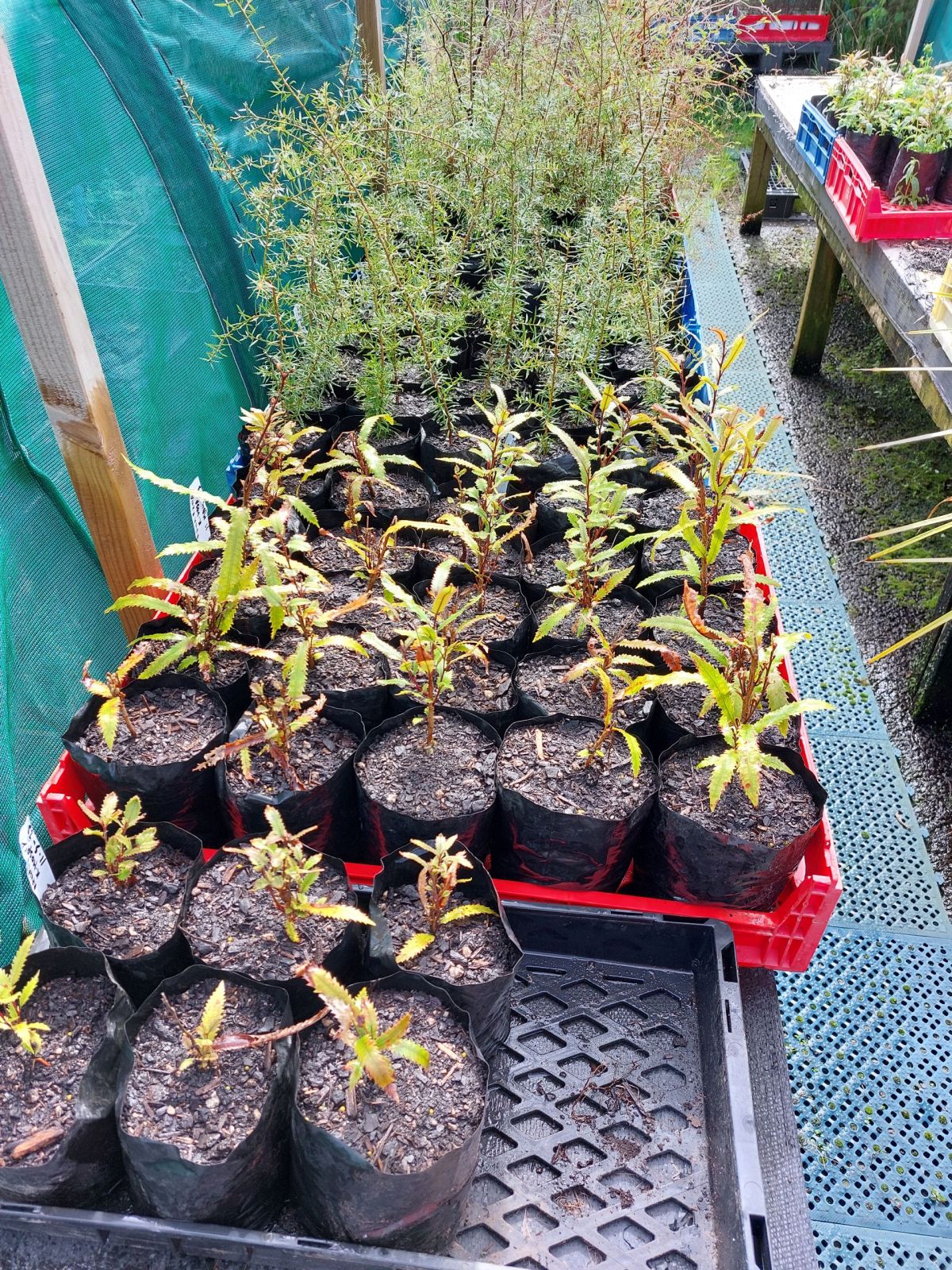
Busy potting up time in the nursery!
Recently a working bee was held at the Friends of Tawa bush nursery (by the Menz Shed in Oxford Street) and a great number of seedlings were potted on! Joanne advises that 125 Kōhūhū (black matipo), 60 Tītoki, 47 Tōtara, 31 Rewarewa and 20 Kahikatea were all potted up, ready for their next growing phase…
It’s …AGM time… exciting guests are Capital KIWI – Yes Kiwi are coming!!
AGM with Capital Kiwi
Pest Control in Tawa Reserves -update 2025
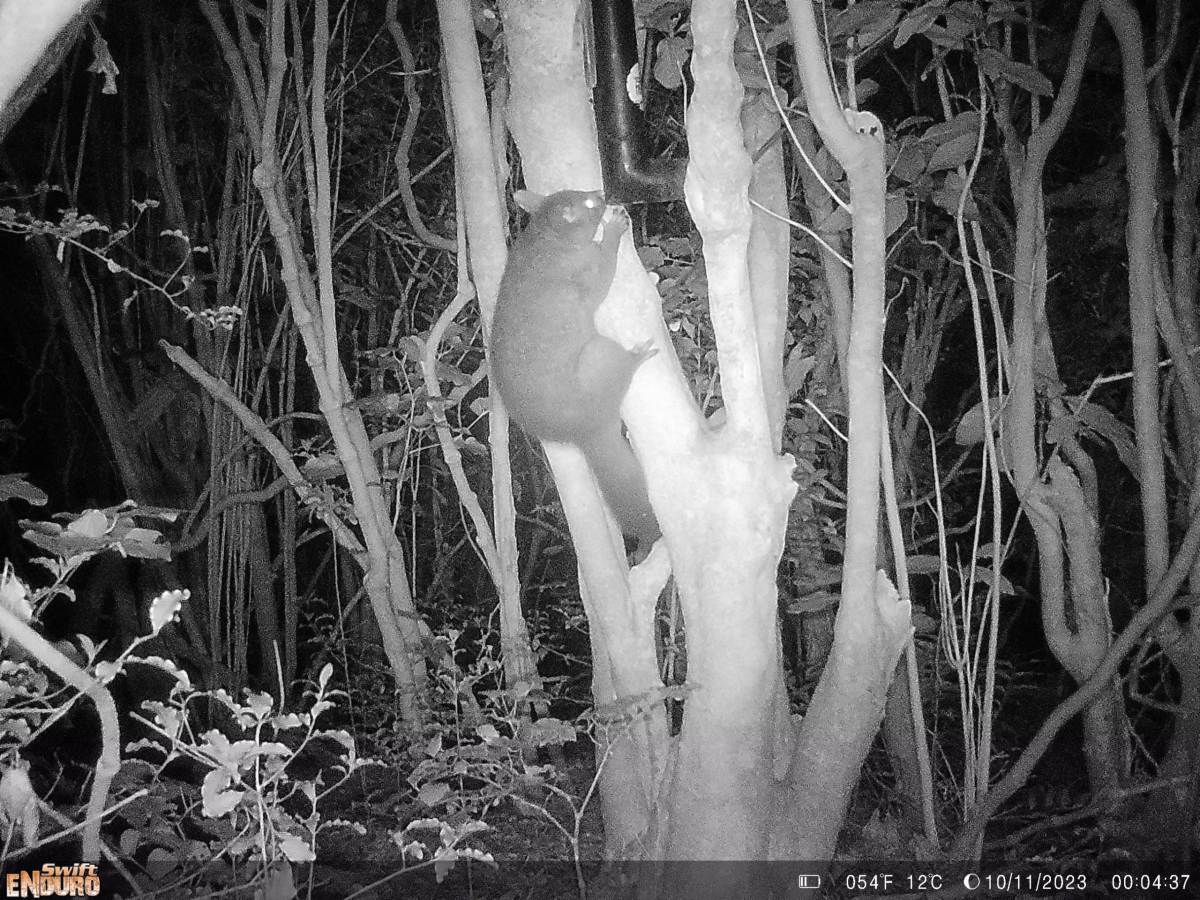
In 2023 the following trap lines were added to our network, This has resulted in a four-fold increase to our catches in 2024 For comparison in 2022, prior to these trap lines being installed we caught a total of 273 pest animals (rats, mice and hedgehogs), this more than doubled in 2023 to 626, while…
Our threatened native Kōura
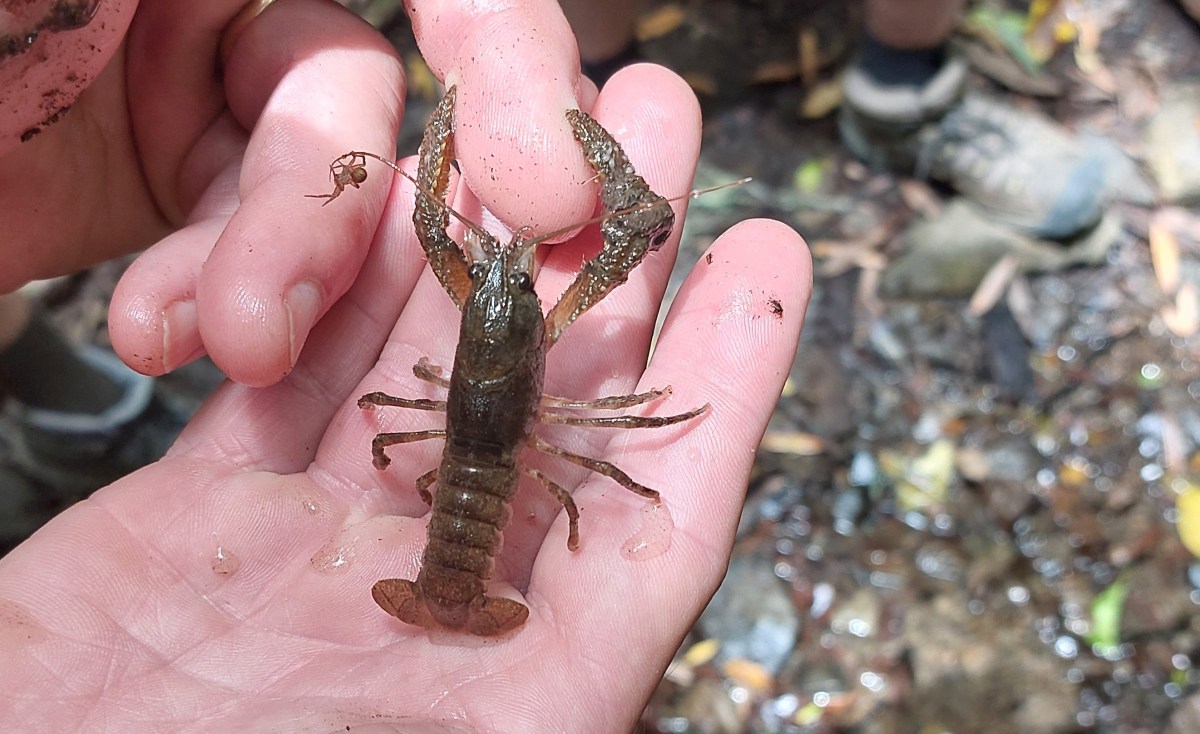
Kōura are found in native forest, exotic forest, and pastoral waterways, but very rarely in urban streams because of chemical pollution, increased flood flows from stormwater inputs, and degradation of habitat. They shelter between stones on gravelly bottoms but they can burrow into muddy bottoms and will burrow well down into swamps that dry out…
Help Save the Endangered Native Red Admiral Butterfly
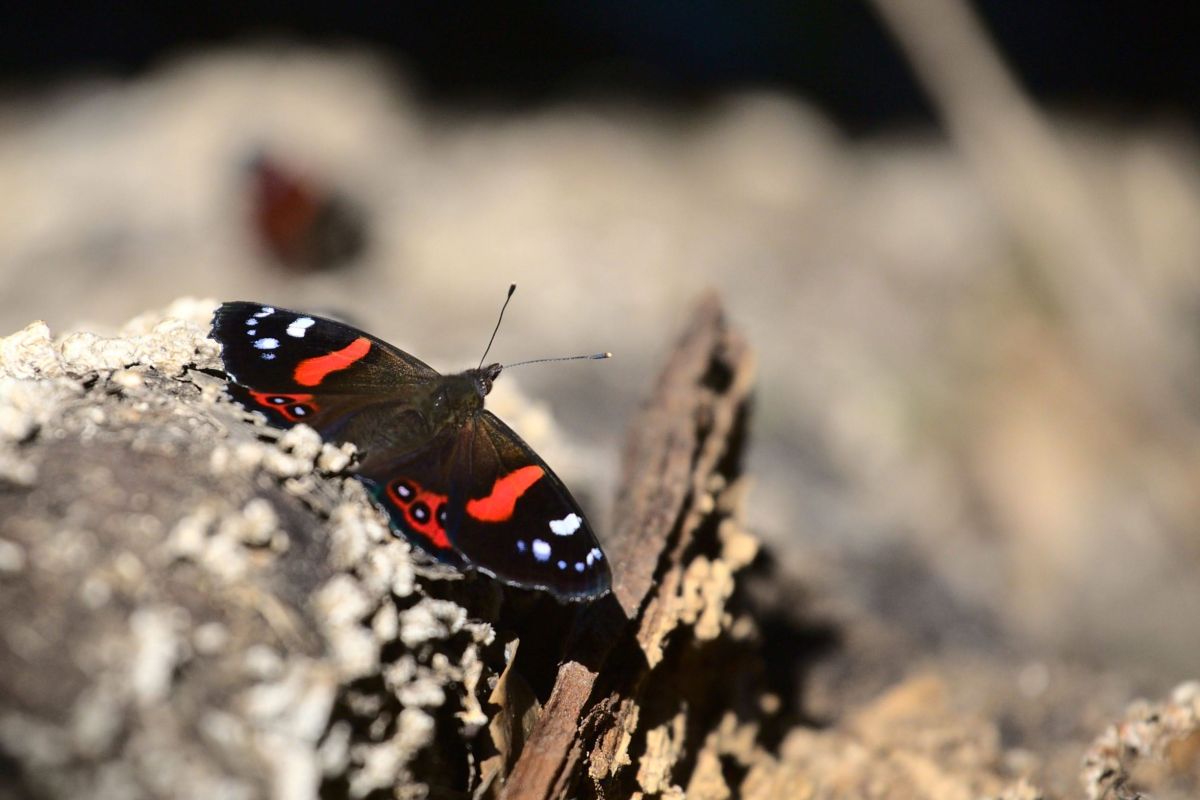
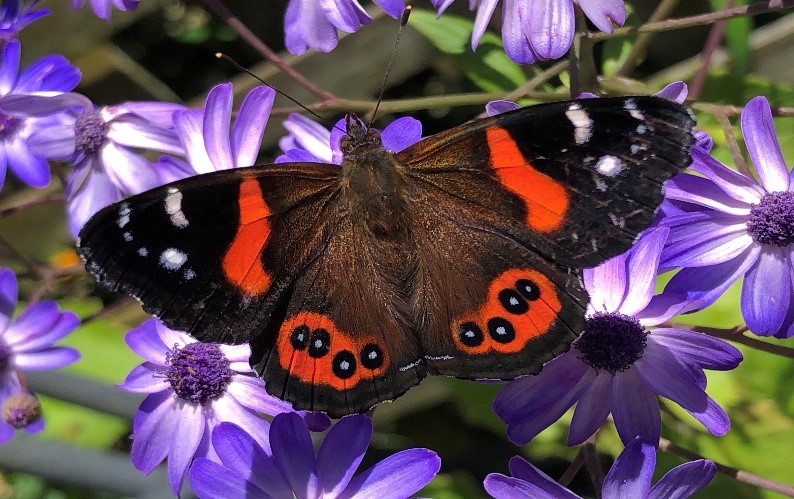
Gary Beecroft article Header Photograph by permission from Moths and Butterflies of NZ Trust Red admirals were common in New Zealand until the 1930’s. Now they have disappeared from many parts of New Zealand and are rare in others. Why? – Because……. The Red Admiral caterpillar’s food source is the native Ongaonga nettle shrub (Photograph…

Forest of Tawa Planting Session
Following on from planting 1000 trees in Takapu Valley in June, the Friends of Tawa Bush Reserves held another planting session at the top of Forest of Tawa on Sunday 14 July. Joining Friends of Tawa Bush members, in the planting were representatives of the Ohariu Green Party, Port Nicholson Rotary Club, Port Nicholson Rotaract,…

Wellington Airport Regional Community Awards 2024 Finalist – Wellington City
Breaking News!! How exciting is this! In recognition of the great work Friends of Tawa Bush Reserves are doing for the community and all the amazing volunteers Friends of Tawa Bush has received a well-deserved nomination and made a Finalist in the Wellington Regional Community Awards for 2024! Go the Friends of Tawa Bush Reserves!!…
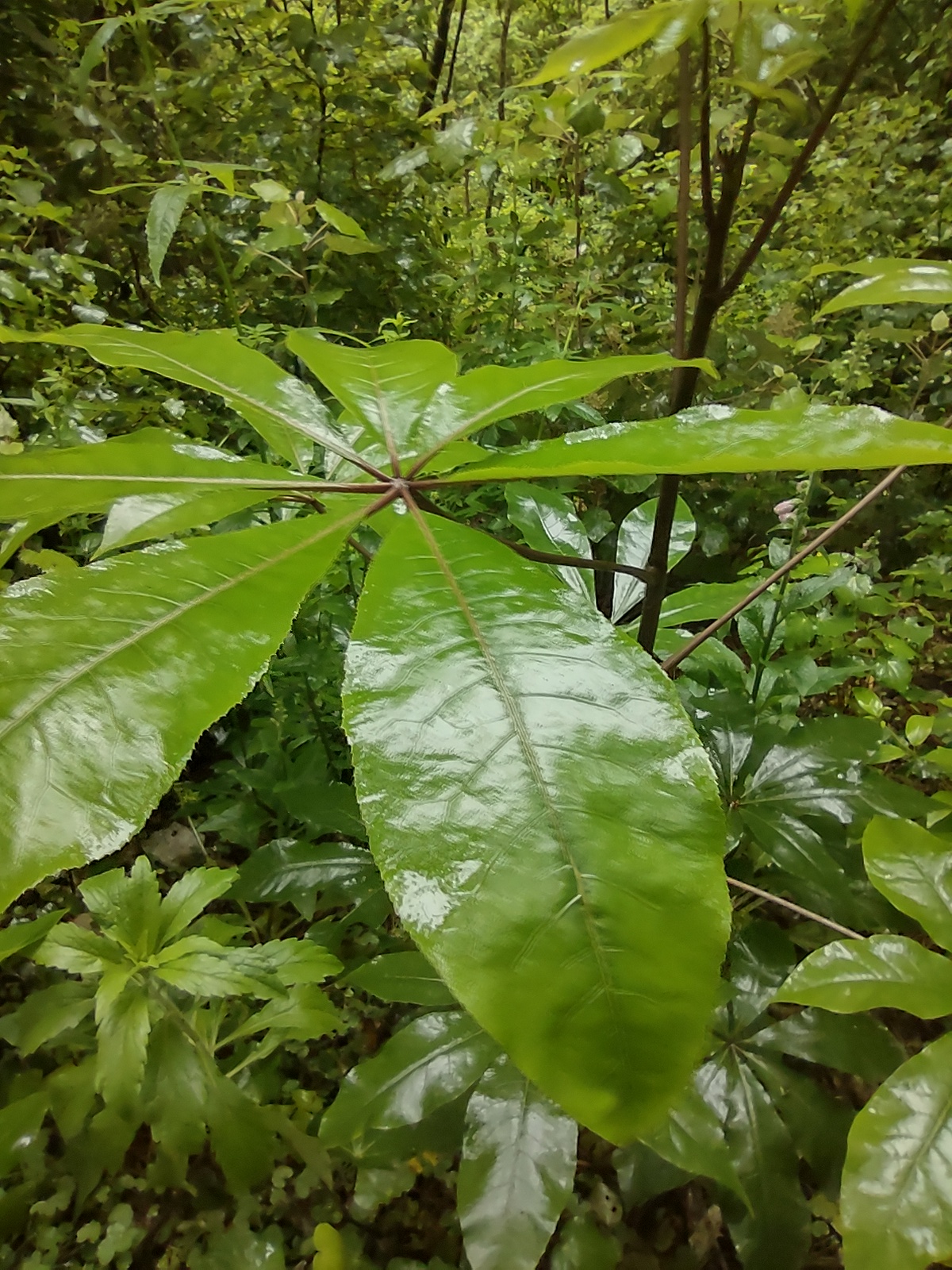
Know the native flora in Tawa reserves – Whauwhaupaku, five finger, Pseudopanax arboreus & Patē, seven finger, Schefflera digitata – (from Gil Roper’s writings)
These are both common trees in the understorey layer. Though similar in appearance, they can be distinguished by their leaf texture and their leaf margins. Although the names imply seven or five leaflets respectively, this number can vary. The texture of five-finger leaves is thicker and leathery with a glossy appearance and well-defined teeth at…
AGM Report (from Damian Hewett)
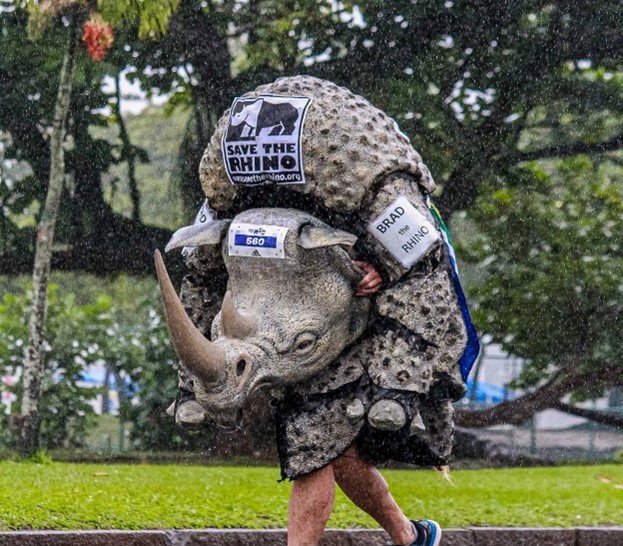
On 13 March 2024, the newly appointed WCC Open Spaces and Parks Manager Dr. Bradley Schroder spoke to a large group member and at our AGM. He has managed Reserves and National Parks in South Africa, Mozambique, Botswana, Australia, and New Zealand. He talked us through his South African conservation career from guiding tourists through…
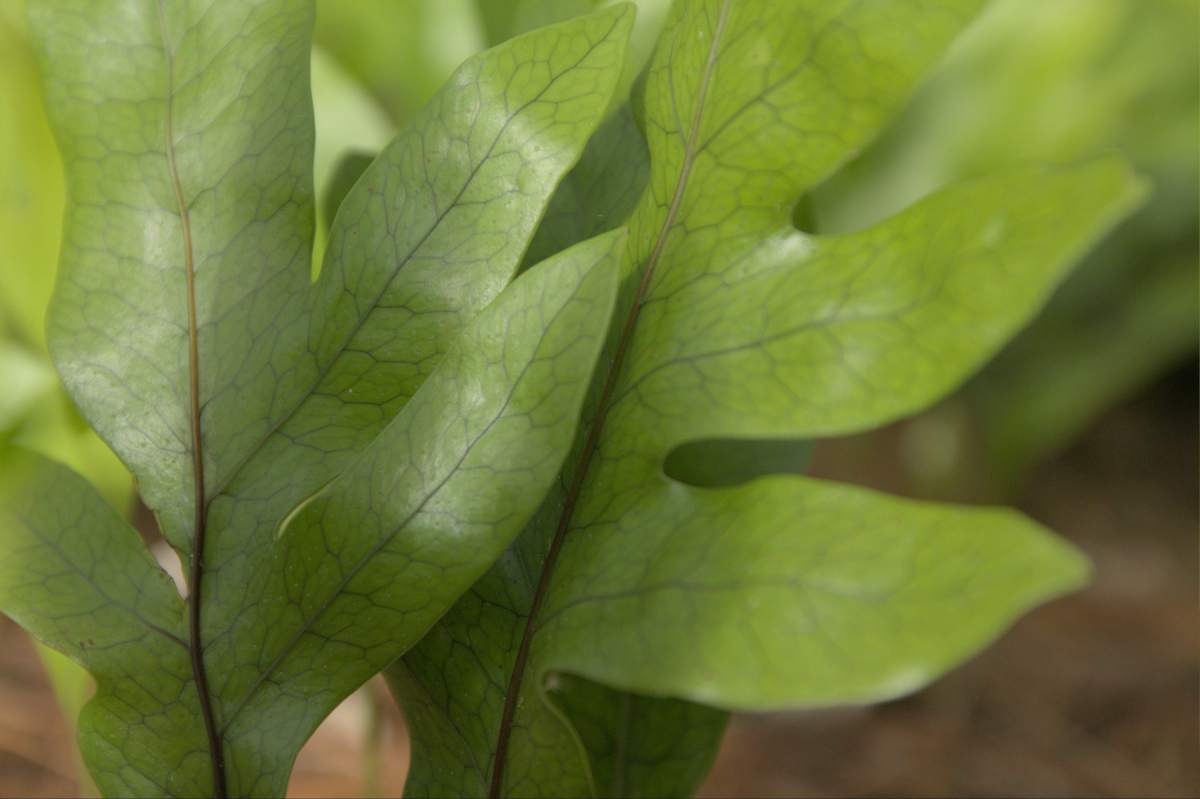
Know the native flora in Tawa reserves – Kōwaowao, pāraharaha, hound’s tongue, Microsorium pustulatum(from Gil Roper’s writings)
Kōwaowao, Microsorium pustulatum spreads over the ground using creeping horizontal stems (rhizomes) from which erect fronds grow out and extend upwards. The glossy, lime green, leathery fronds will often be on tree trunks when the rhizomes have extended their growth upwards from the ground to form an epiphyte on the tree. At maturity, the undersides…
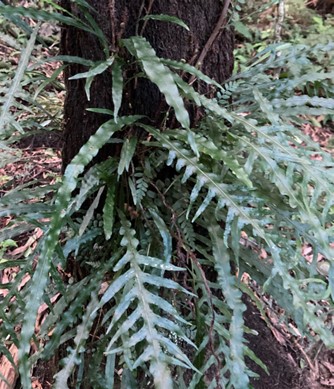
Know the native flora in Tawa reserves – Mokimoki, fragrant fern, Microsorium fragrans (from Gil Roper’s writings)
Source of names: The genus Micro is from the Greek mikrós meaning ‘small’, while sorium refers to the ‘sori’ that appear as raised brown, powdery mounds on the underside of mature fronds. Sori produce clusters of sporangia and when mature, as they dry out, the sporangia fling out an abundance of spores for reproduction. The…
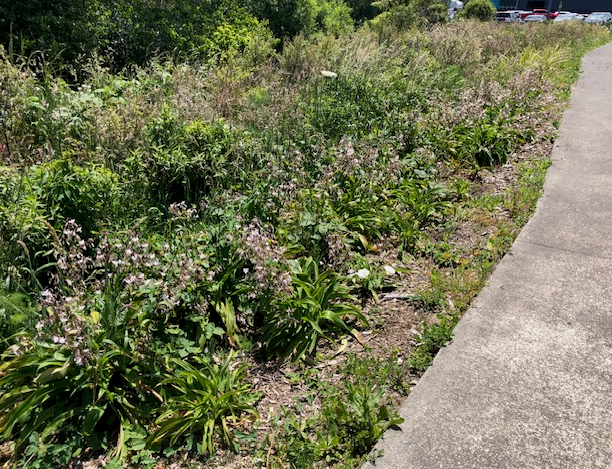
Working bee Update – Tawa Station Park‘n’Ride restoration area
One of the projects that Friends of Tawa Bush Reserves has been involved over the past couple years is an area adjacent to the Porirua Stream and besides the Tawa rail station “park‘n’ride” area off Melville Street. For many years this area has appeared as a bit of a wasteland overgrown with blackberry and…
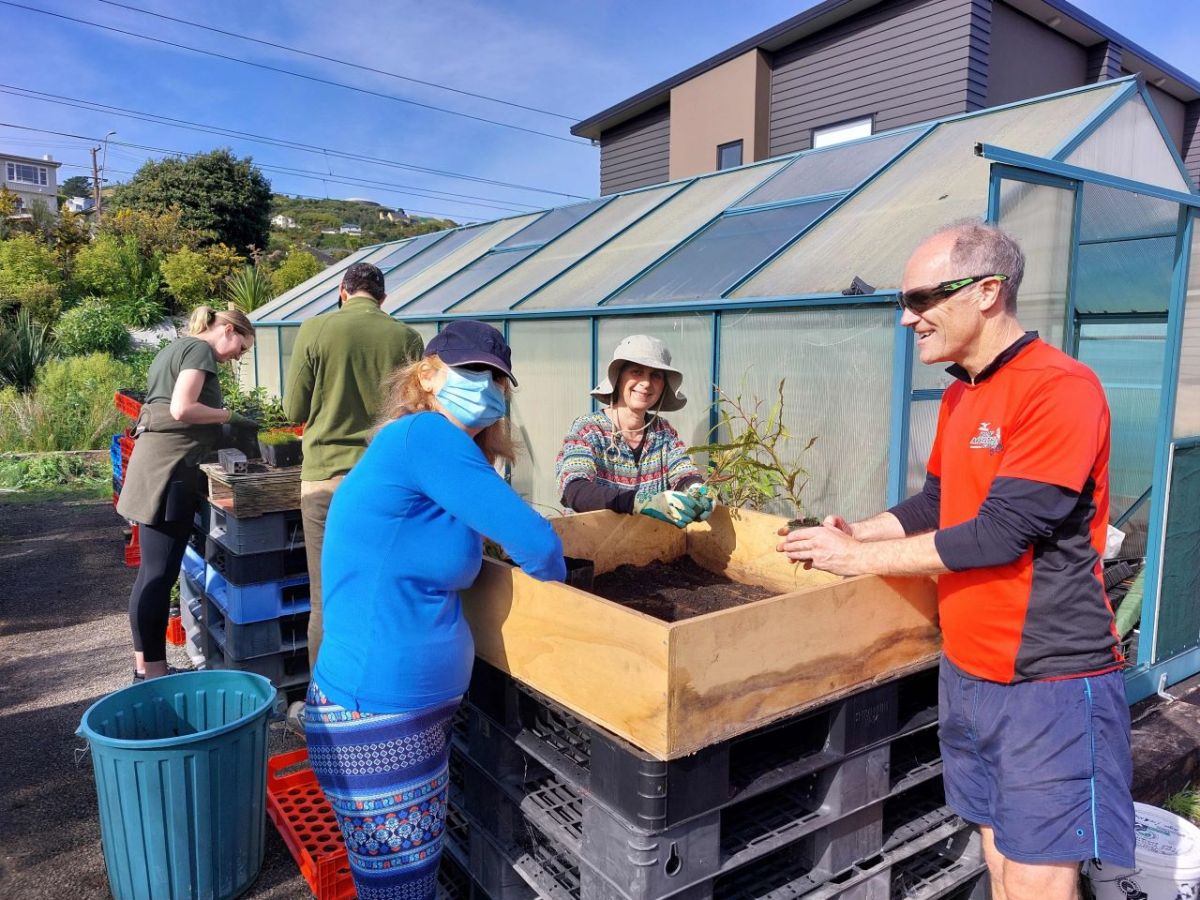
Nursery Working Bee a huge success
Joanne Youthed reports on the latest working bee down at the nursery, where there’s good things happening! We had a fabulous day at the nursery today, with a great turn out and about 300 plants potted up into PB3 bags! John and Andrew took 400 plants up to the top of Te Ngahere o Tawa…
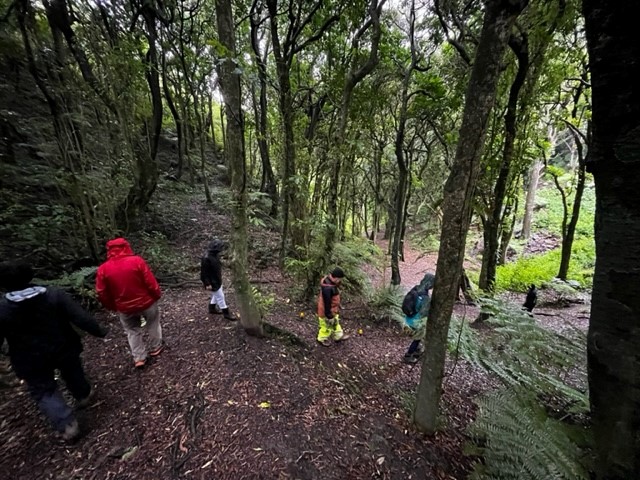
KETE Project update
Here is a great encouraging update from Sue Lum regarding the Kete project and Friends of Tawa Bush: …At the end of term one, Link teachers from each of our Tawa schools joined myself and Joanne Youthed on a bushwalk in Wilf Mexted Reserve to learn about seed collection, followed by an introduction to the…
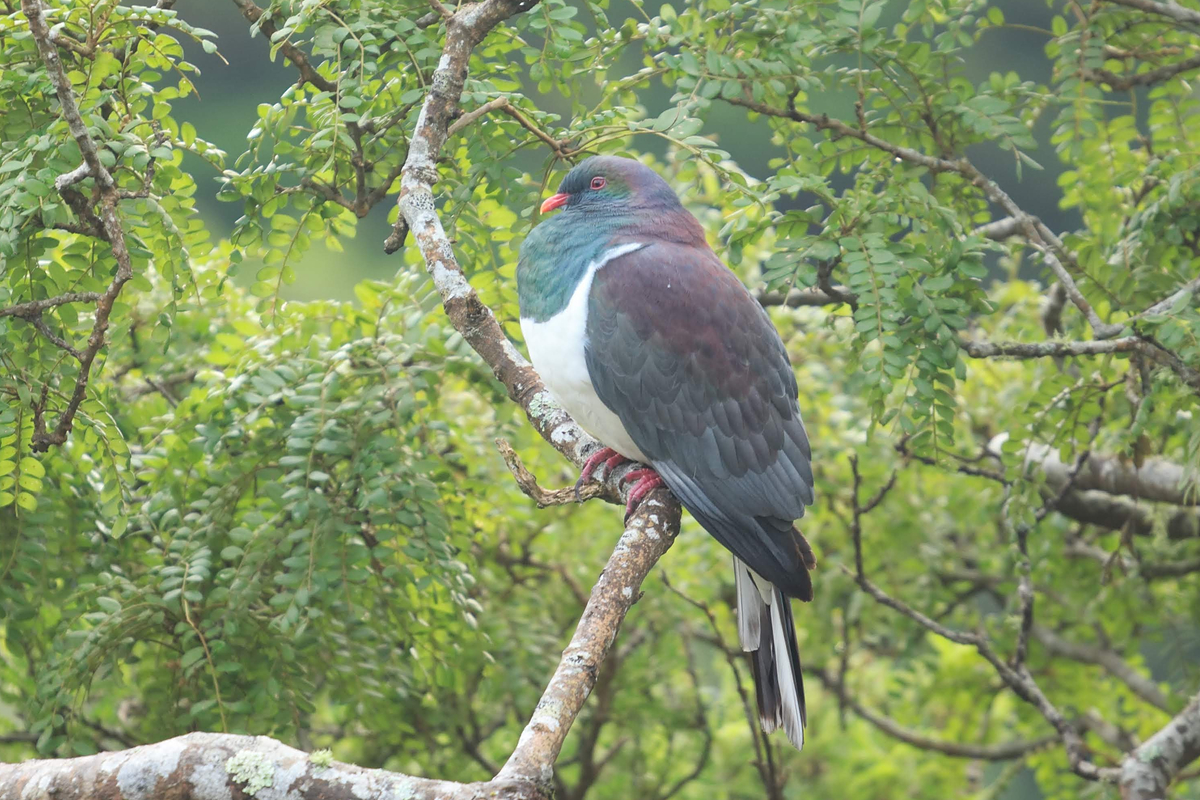
Resurgence of kererū numbers in Tawa reserves
Seeds from many native trees rely on kererū for dispersal. With the extinction the huia and moa, kererū are the only native birds with a wide enough mouth to swallow large fruit. These include fruit of karaka, pūriri, taraire and tawa. The North Island kokako can also consume these fruit but their natural distribution does…
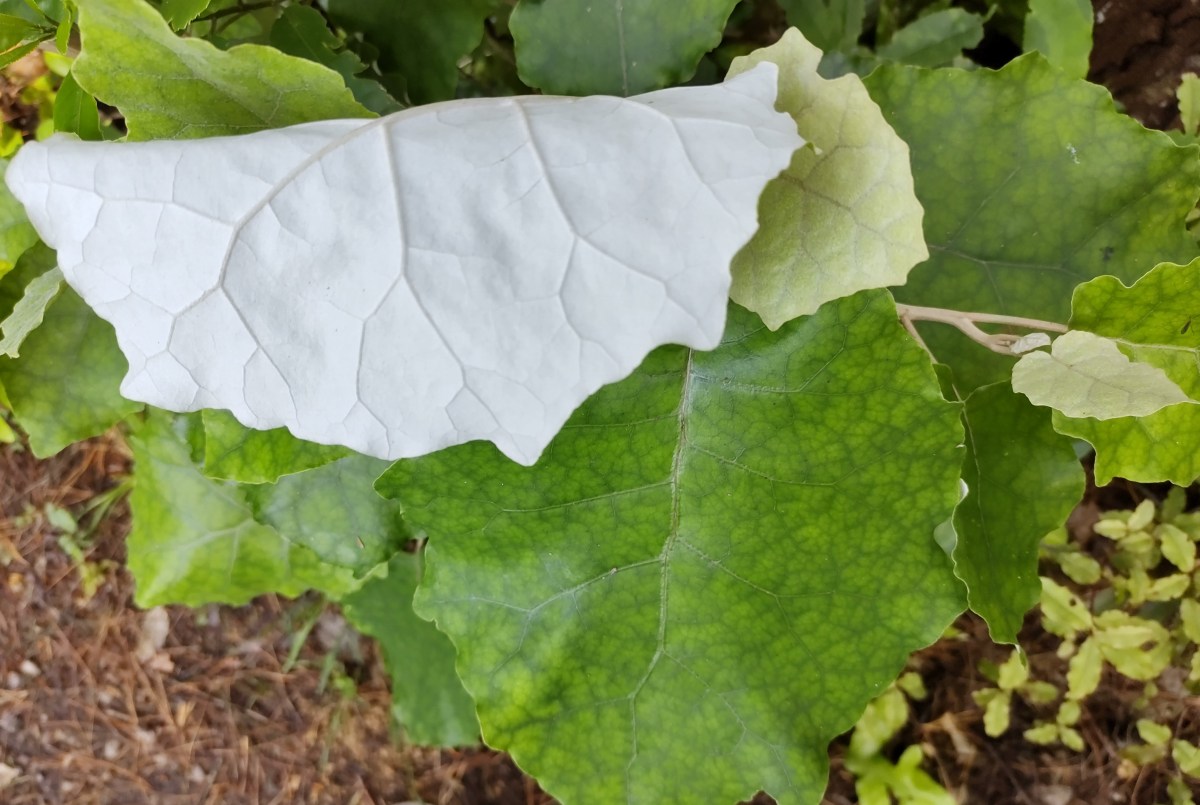
Know the native trees in Tawa reserves with Gil Roper – Brachyglottis repanda, Rangiora
Source of names: Rangiora is a member of the Aster family of plants (Asteraceae) and includes asters, daisies and sunflowers. Brachyglottis means ‘short tongue’ and refers to the small size of the ray florets within the flowers. The species name repanda means ‘undulating edges’ and refers to the margins of the broad leaves. The Māori…
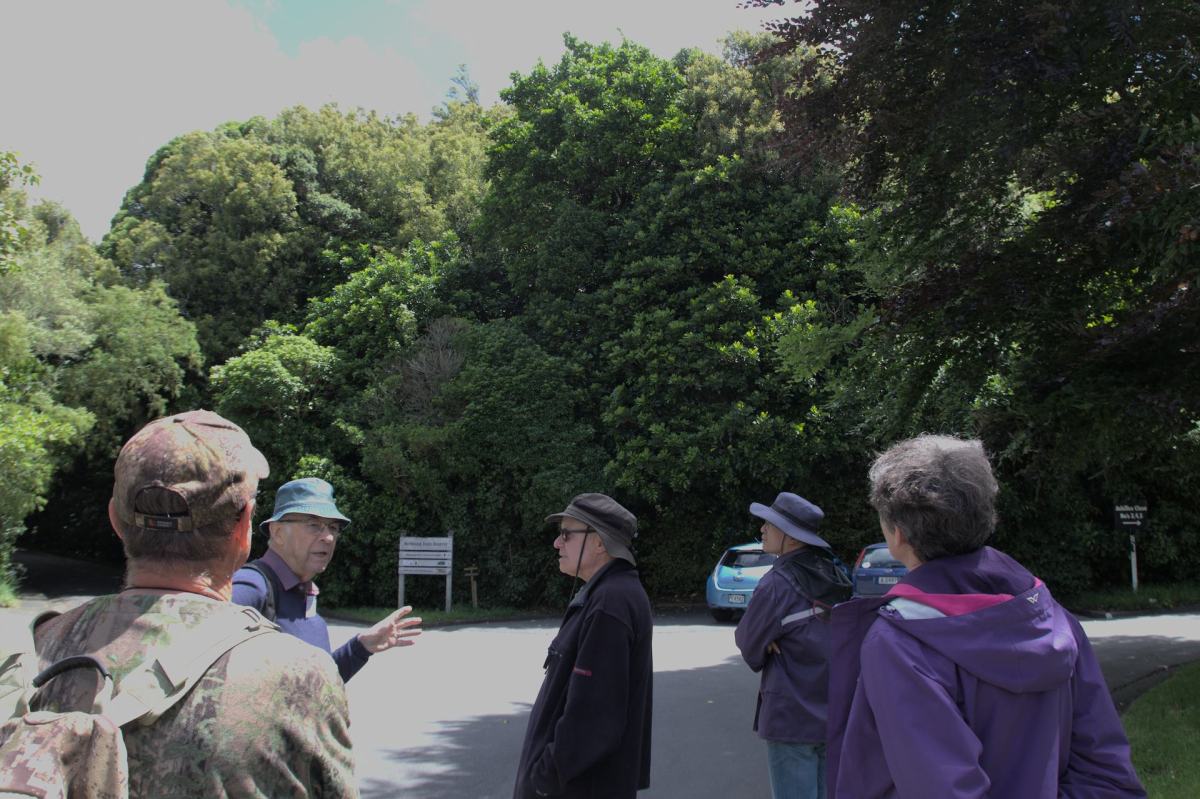
Public Redwood Bush walk, hosted by FOTBR on 4 December 2022
It was such a pleasure to go on this guided walk the other day! The weather was perfect for a wee walk in the bush, and boy did we learn a lot along the way. Gil Roper is a fount of knowledge on the history and plants in this area and we were really lucky…
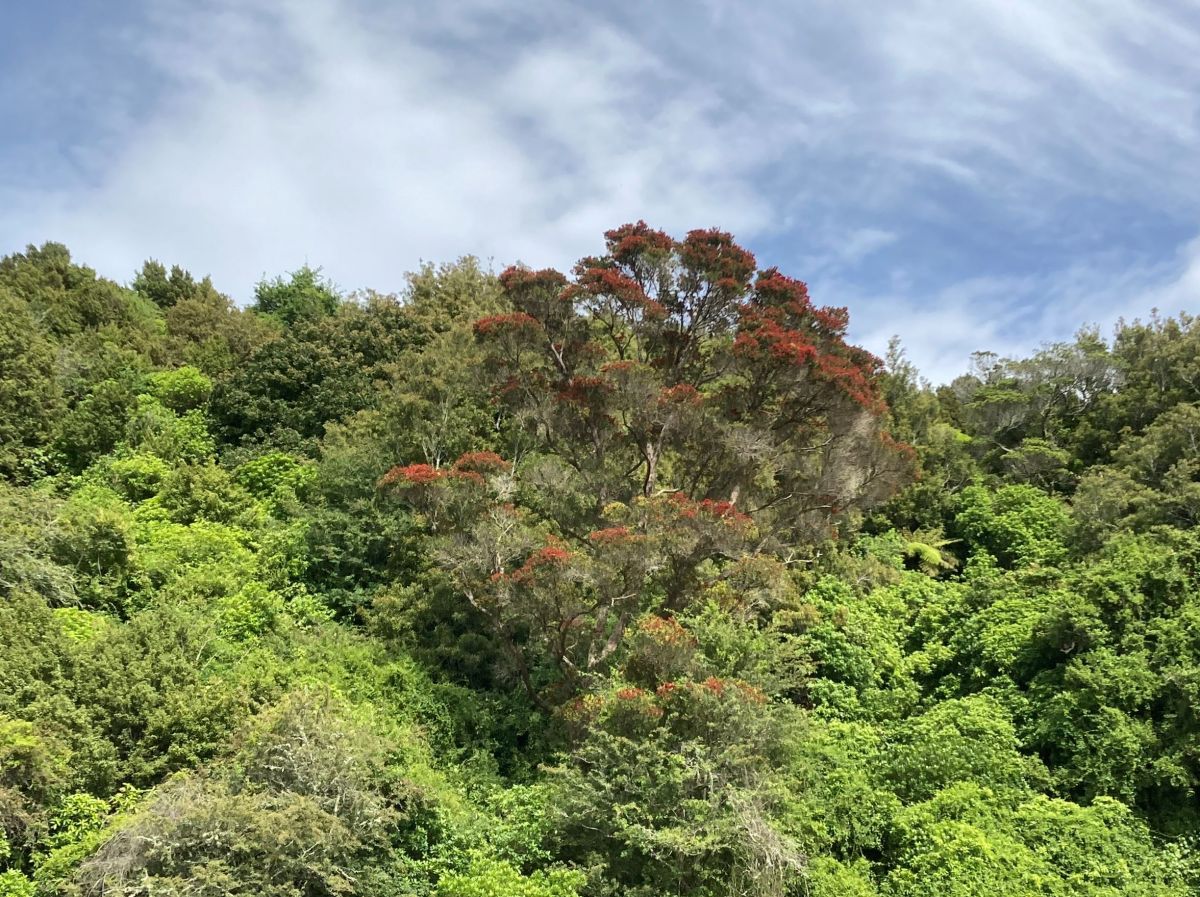
Have you sighted the flowering rātā tree from Takapu Road?
This remaining northern rata was one of many trees of this species, along with rimu trees that dominated the native bush in the Tawa area at the time of European settlement from the 1840s onwards. It’s probably the largest remaining northern rātā in the wider Tawa region. However, trees were felled for local use and…
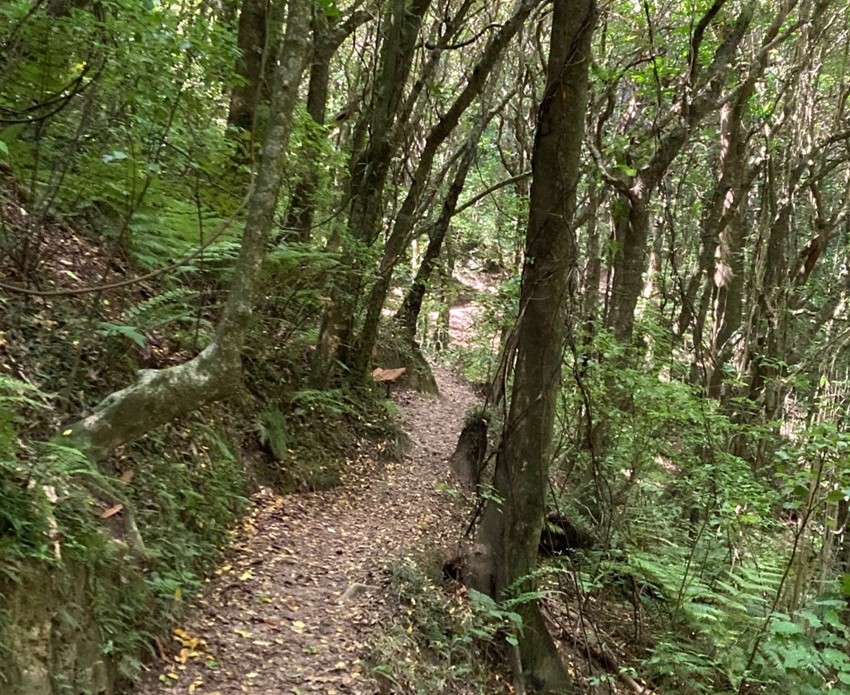
Guided native bush walk, 2pm Sunday 4 December 2022
People are invited to participate in this guided walk, led by members of ‘Friends of Tawa Bush Reserves’ (FOTBR). The walk will be through part of Redwood Bush, from Achilles Close through to Peterhouse Street and include the newly established, signed botanical walk. Depending on time, Larsen Crescent Reserve will also be included in the…
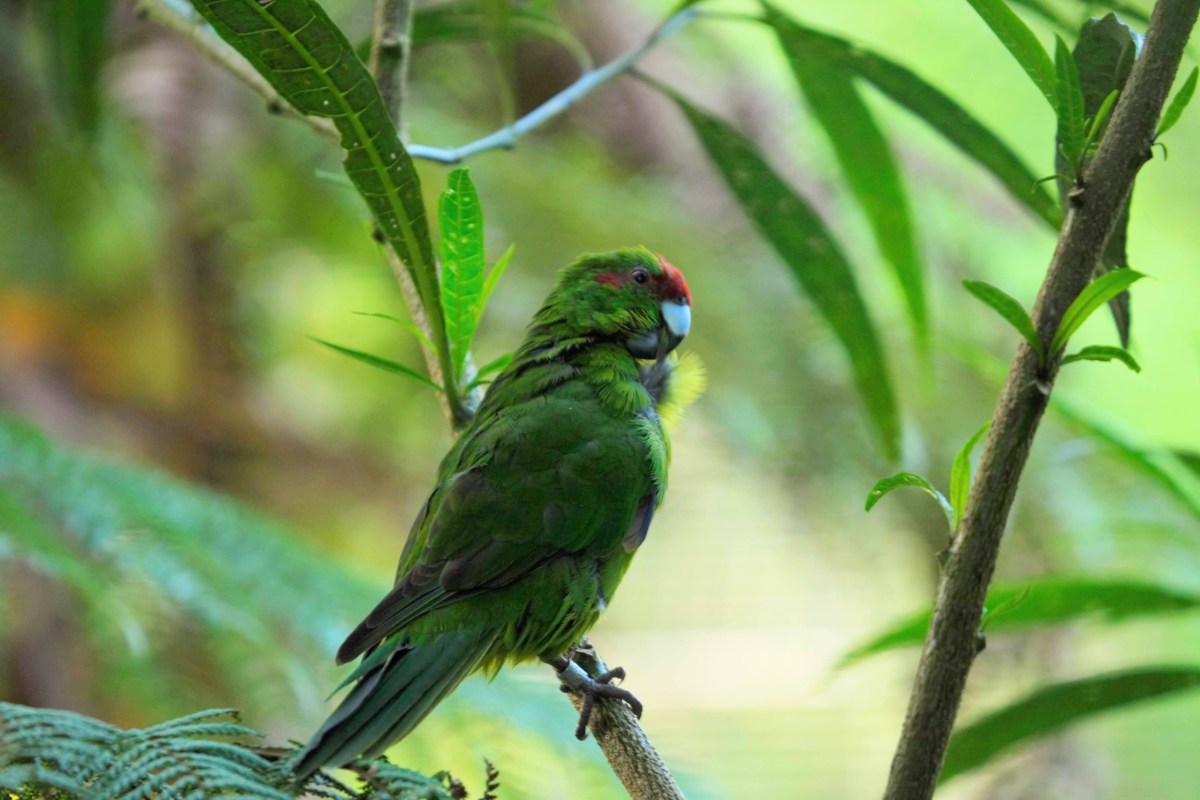
Kakariki sighted!
Gil Roper reports that four juvenile kakariki were heard and then sighted in Redwood Bush on Monday morning 14 November, 2022. They were seen by members of the U3A Botany group near the two huge pukatea trees, beside the stream that crosses the track in the gully between Achilles Close and Peterhouse Street. As these…
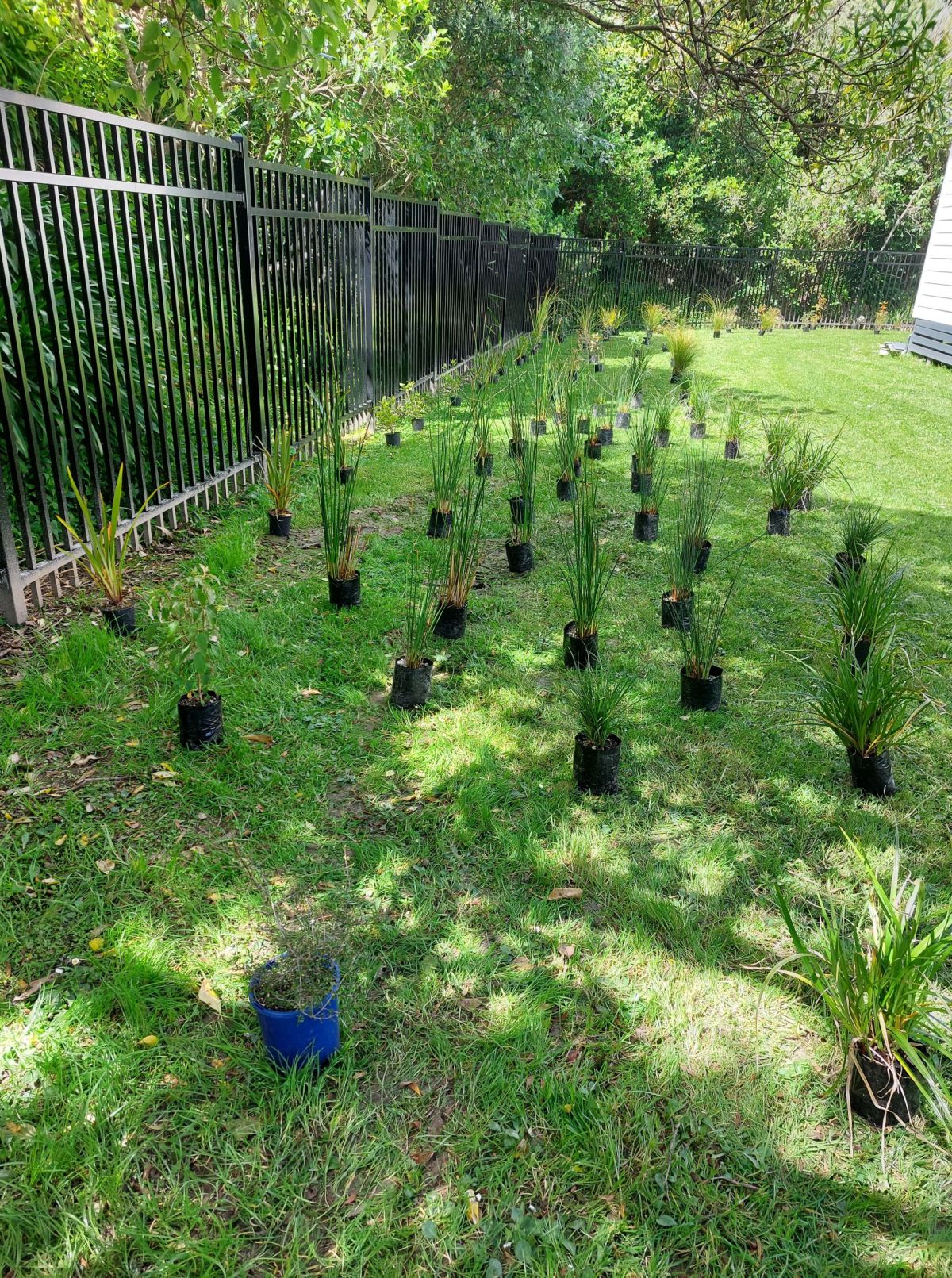
Nursery provides plants and assistance to KETE group
The nursery provided some plants (Harakeke, wineberry, Tī Kōuka and Kōtukutuku) to the KETE group on 18th October, organised by Sue Lum. Joanne Youthead helped Sue with transporting them and laying them out at Greenacres school, with Andrew Liley to help plant. Great team effort and involvement of our local schools in improving our environment/ecosystems!
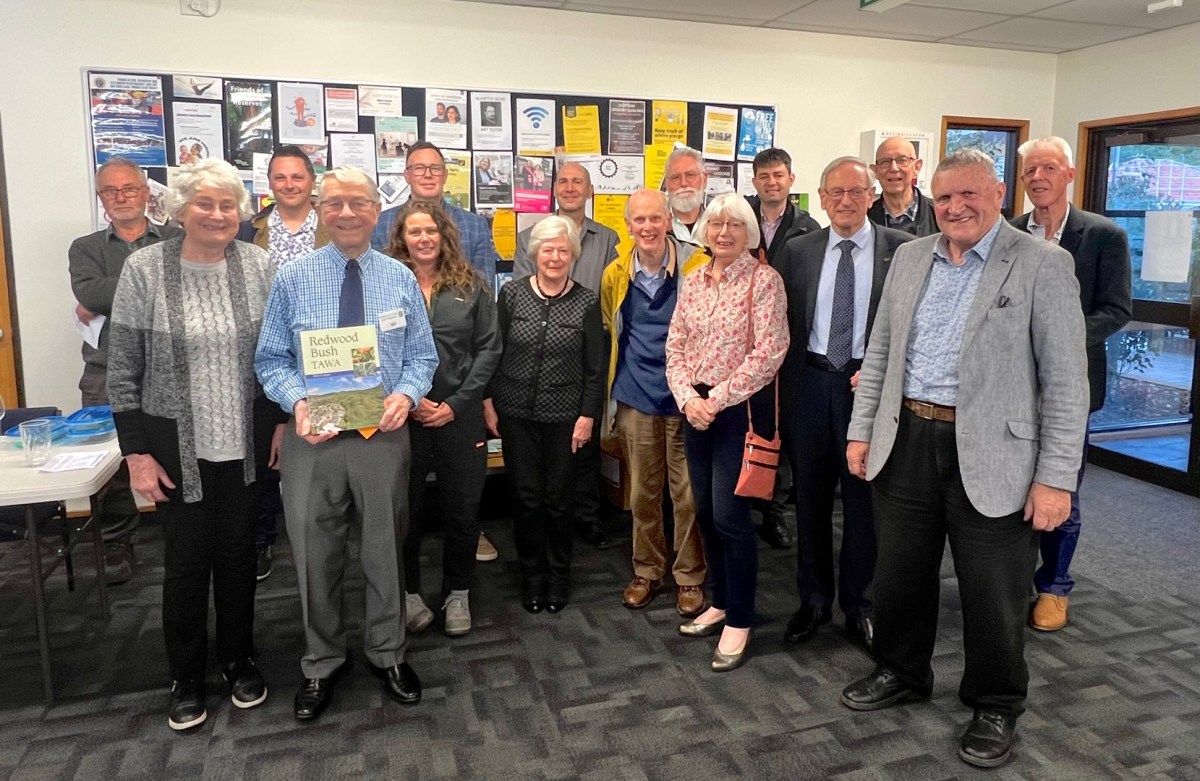
Successful launch of new book ‘Redwood Bush, Tawa’
This book, published by Friends of Tawa Bush Reserves (FOTBR) was launched on Tuesday evening 18 October 2022 in the Tawa Community Centre, with over 70 people present. Gary Beecroft, President of FOTBR chaired the evening. Following refreshments, Andy Foster (Patron of FOTBR) spoke on the extensive restoration of native flora and fauna in the…
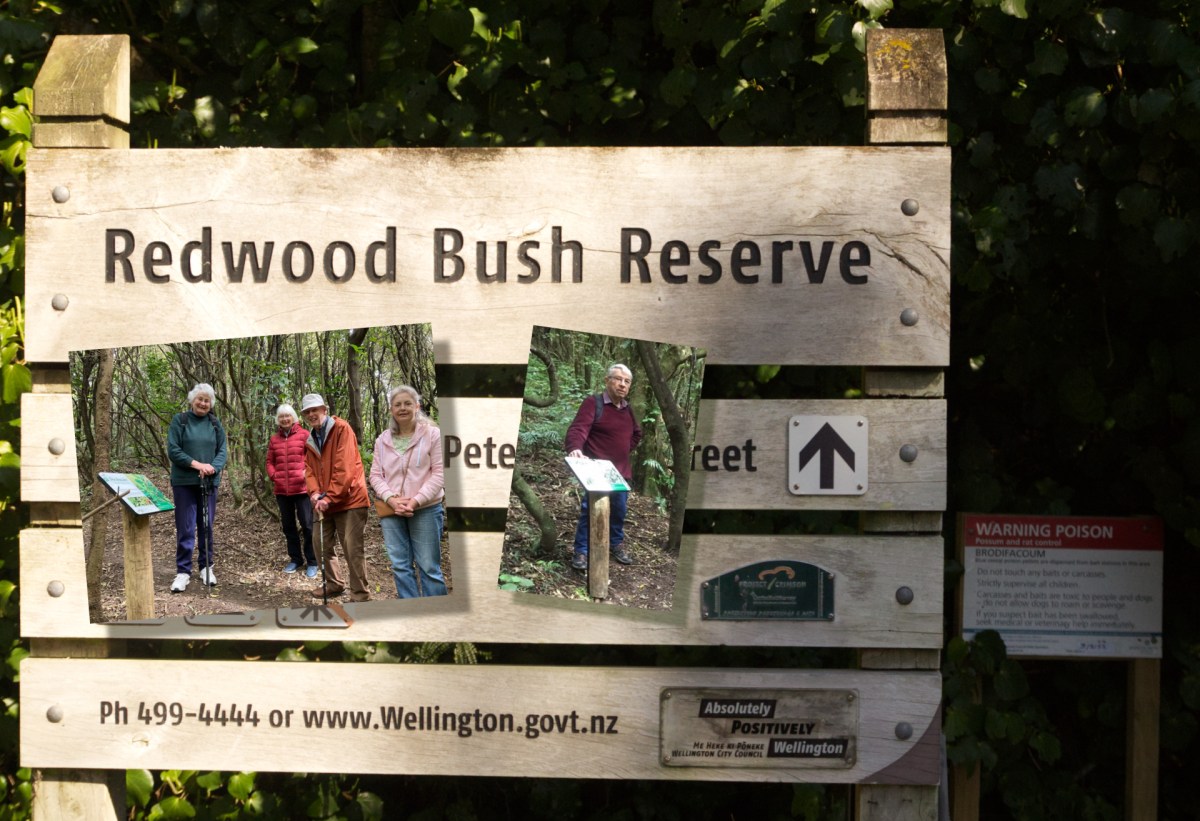
Signed Botanical Walk now open in Redwood Bush
Friends of Tawa Bush Reserves (FOTBR) has designed, financed and installed signs for a botanical walk that features twenty of the native trees in Redwood Bush. Each sign has text and visual images pertaining to features of the trees for interest to walkers, but also to provide an educational purpose for the variety of groups…
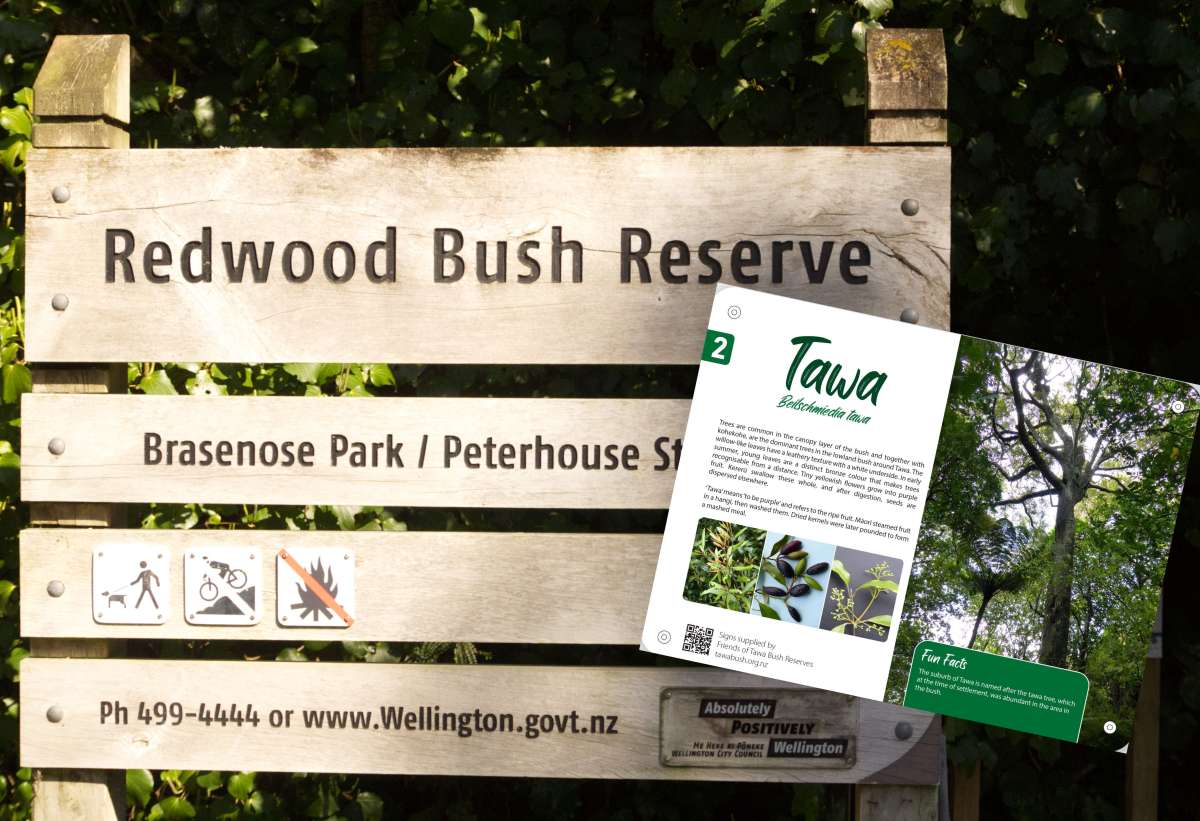
Signed Botanical Walk in Redwood Bush
Friends of Tawa Bush Reserves (FOTBR) has worked with WCC to design and produce a signed botanical walk, that features twenty of the native trees in Redwood Bush. Local Tawa signage company ‘Imagine That’ has made the signs and members of FOTBR will finance and install them. One sample is shown below. Large text and…
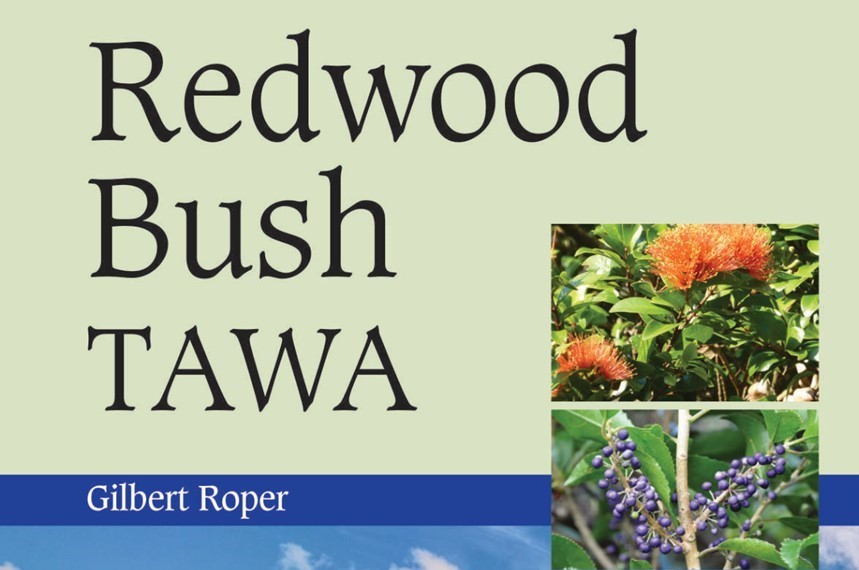
A new book about Tawa, available in October 2022
Redwood Bush, Tawa This book will be launched at 6pm on Tuesday 18 October 2022 in the Tawa Community Centre, Cambridge Street. This is author, Gilbert (Gil.) Roper’s third publication relating to Tawa. He was motivated to write this new book: Redwood Bush, Tawa after reading how Redwood Bush was saved when the Redwood subdivision…
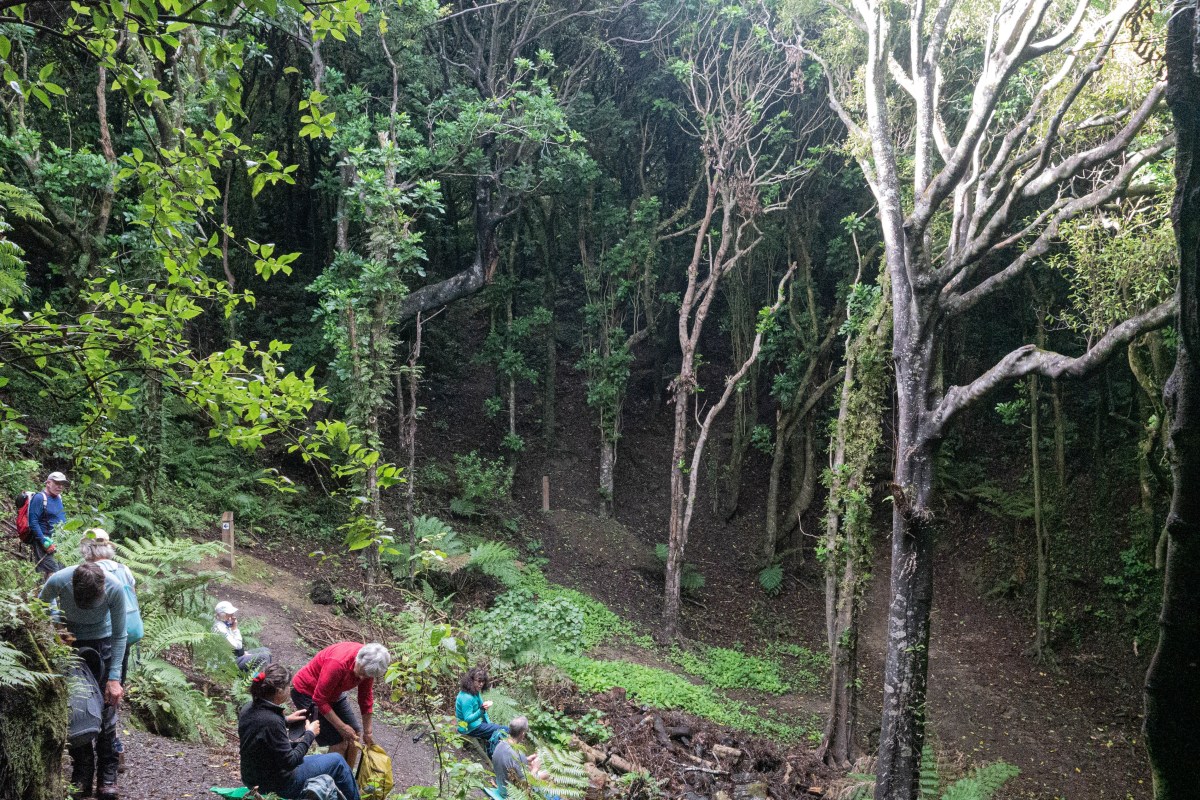
‘Beating the Bounds’ in Tawa – Tararua Tramping Club hold day walk in Tawa reserves
Photo of map showing circuit taken: Christine Whiteford On Wednesday 18 May, a group from the Tararua Tramping Club undertook a walk, circumnavigating Tawa using the various reserves. The sunny weather enabled the group to enjoy the great views as well as the vibrant flora and fauna. Leader John Allard, a resident of Tawa for…
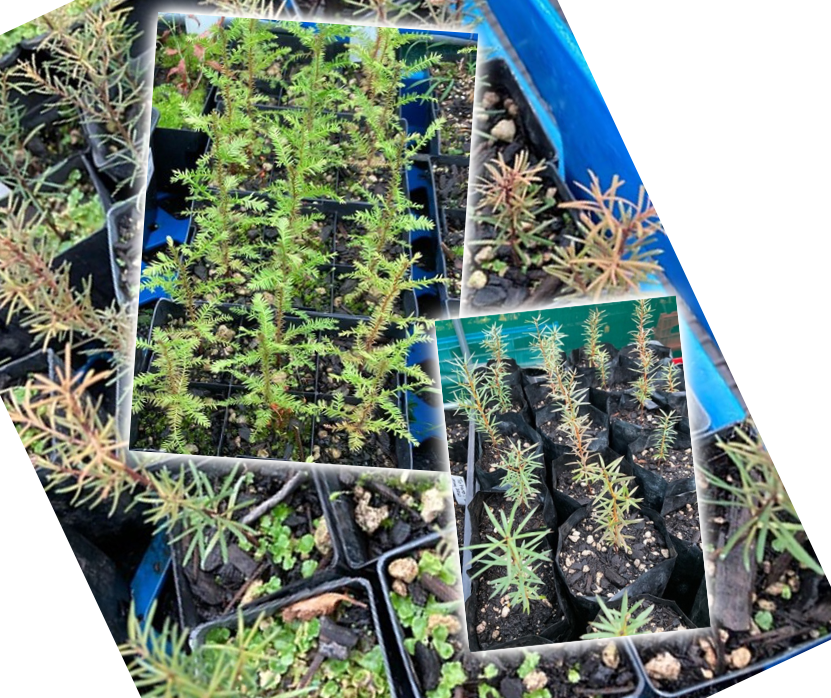
Do you recognise these podocarp seedlings?
Podocarps are conifers that reproduce by bearing cones and fruit. The nursery is in full production with podocarp seedlings at various stages of development. These have all been sourced locally from seed or young seedlings that have been subsequently potted on. See if you can match the correct name to the right seedling in the…

Know the native trees in Tawa reserves with Gil Roper – Myrsine australis, red matipo, māpou, māpau
Source of names: ‘Ma’ = free of tapu, ‘pou’ = stick. Young plants are used for ceremonial purposes such as karakia. Special Features an endemic shrub growing up to 6m tall, they are very obvious because of their young reddish-brown stems that bear pale green leaves that have a leathery texture and wavy edges leaves…
Kākāriki frequently heard and sighted in Redwood Bush
Kākāriki or red-crowned parakeets are one of three species of endemic parakeets found in NZ. The name means ‘small green parrot’ because of their predominantly green plumage. They make a loud rapid chatter in flight and also chatter and babble when feeding. Such sounds have been regularly heard, especially at the north end of Redwood…

Know the native trees in Tawa reserves with Gil Roper – Geniostoma ligustrifolium var. ligustrifolium, Hangehange, Māori privet
A common shrub up to 3m high, it is commonly found at the edge of bush and along the tracks. Leaves are oppositely positioned along the slender, brittle stems. The oval, elongated and soft, shiny lettuce-green leaves have ‘drip tips’ at the end. Source of names: Genus: genio = hairy and stoma = mouth. The…
Something went wrong. Please refresh the page and/or try again.


 Friends of Tawa Bush Reserves