
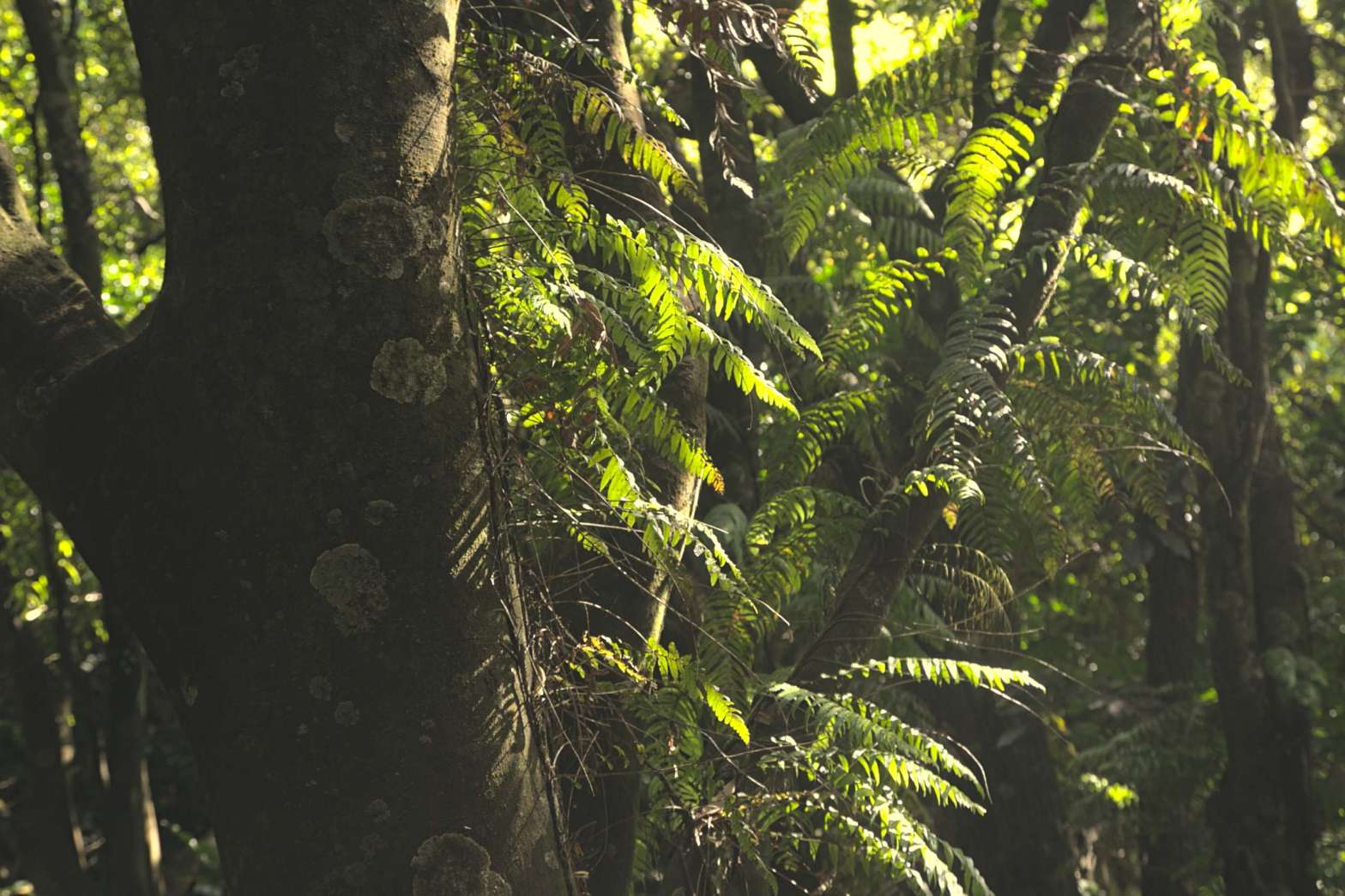
Blechnum filiforme or Icarus filiformis or pānako or thread fern is the most common, but unusual ground fern in the Tawa reserves. Its unusual features are that it is the only climbing species of Blechnum in New Zealand and it has three different types of fronds – juvenile, adult sterile and adult fertile. Blechnum speciesContinue reading “Know the native trees in Tawa reserves with Gil Roper – Thread fern – pānako”
Author Archives: Friends of Tawa Bush
Know the native trees in Tawa reserves with Gil Roper – Tawa
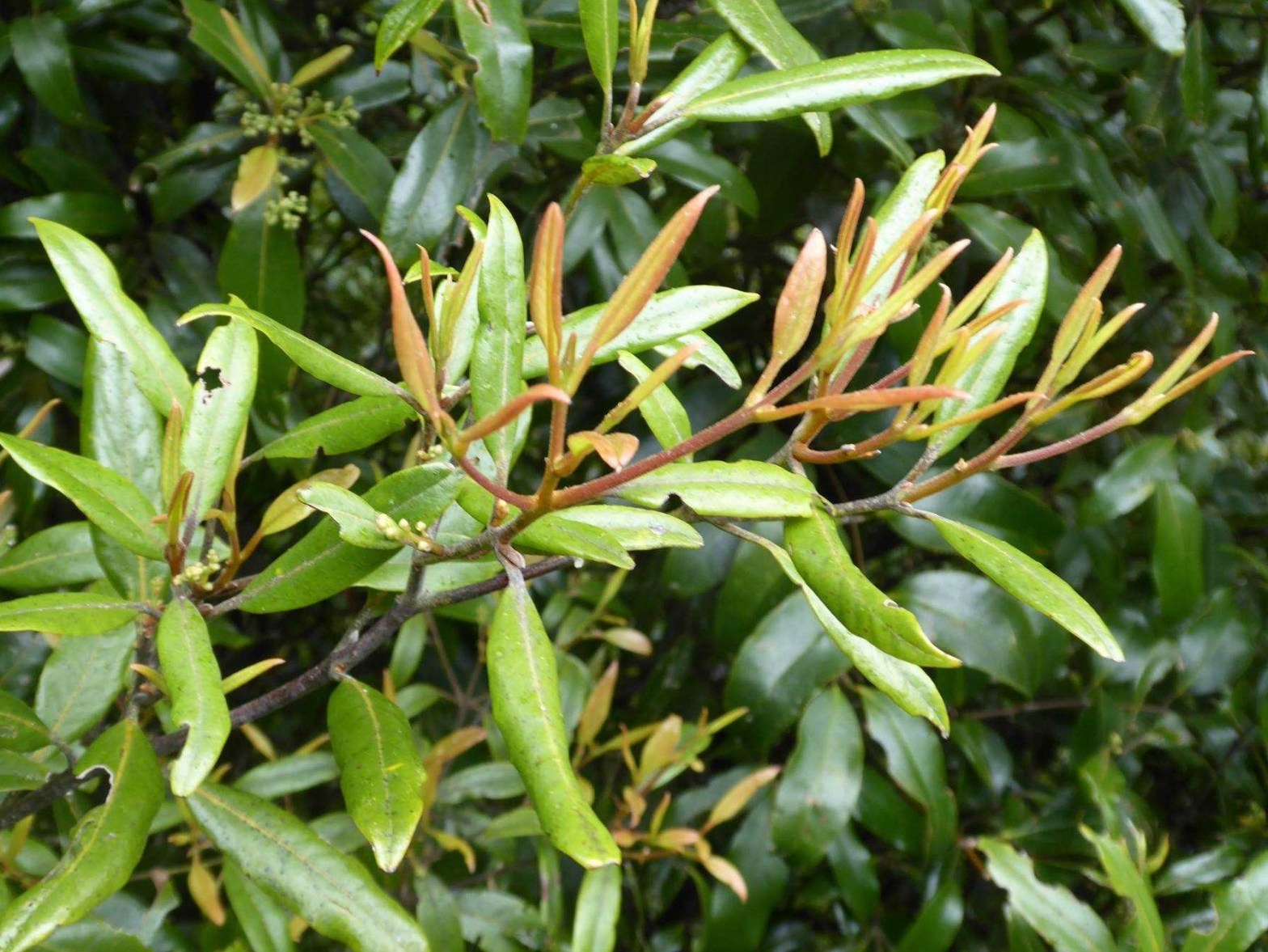
The tree after which our suburb is named. Beilschmiedia tawa or tawa is a dominant canopy tree in the Tawa native bush reserves. The Genus name Beilschmieda is after Carl T Beilschmied (1793 – 1848), a Polish botanist. The species name tawa is a Māori word meaning ‘to be purple’, relating to the colour ofContinue reading “Know the native trees in Tawa reserves with Gil Roper – Tawa”
What do Kererū eat in Winter?
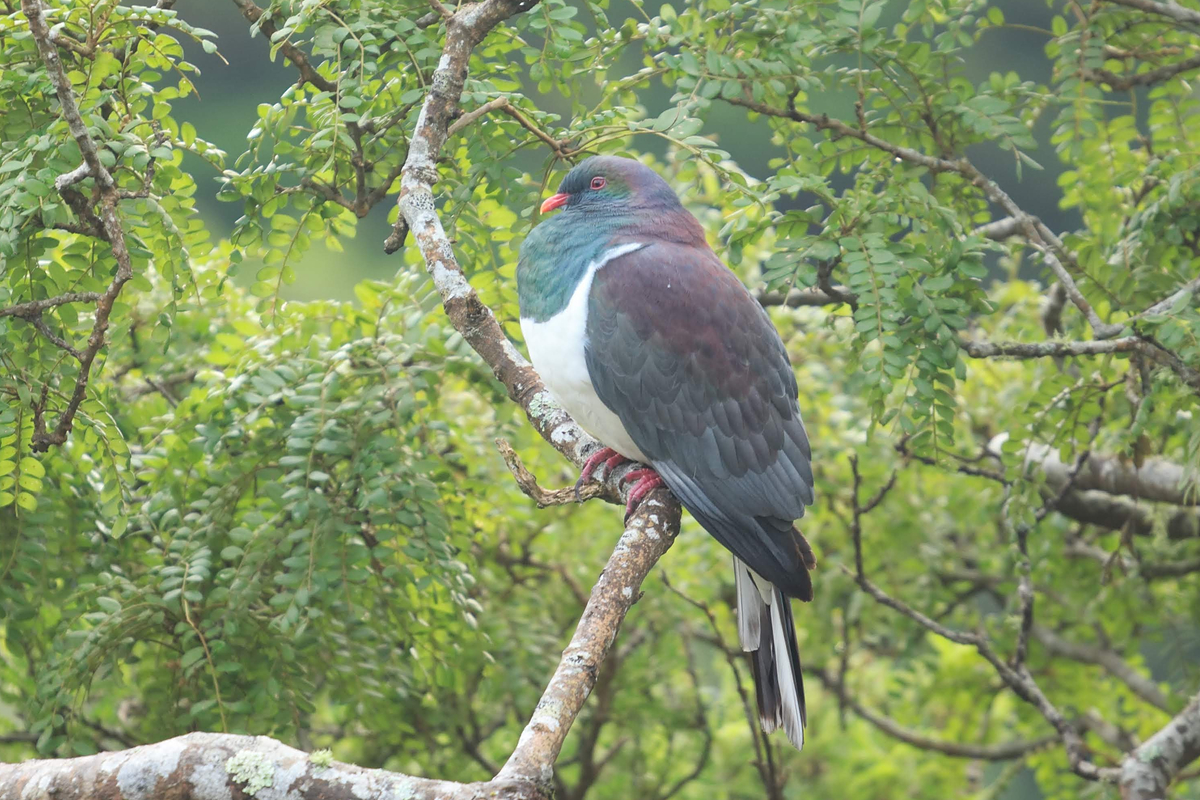
There is minimal seed and fruit available from native trees in winter. Kererū frequently supplement their diet by consuming tree lucerne and young kowhai leaves which are both high in protein. Also when these plants are flowering, kererū take nectar from flowers. These birds are vital for dispersing the seed of large fruiting trees suchContinue reading “What do Kererū eat in Winter?”
Know the native trees in Tawa reserves with Gil Roper – Kawakawa
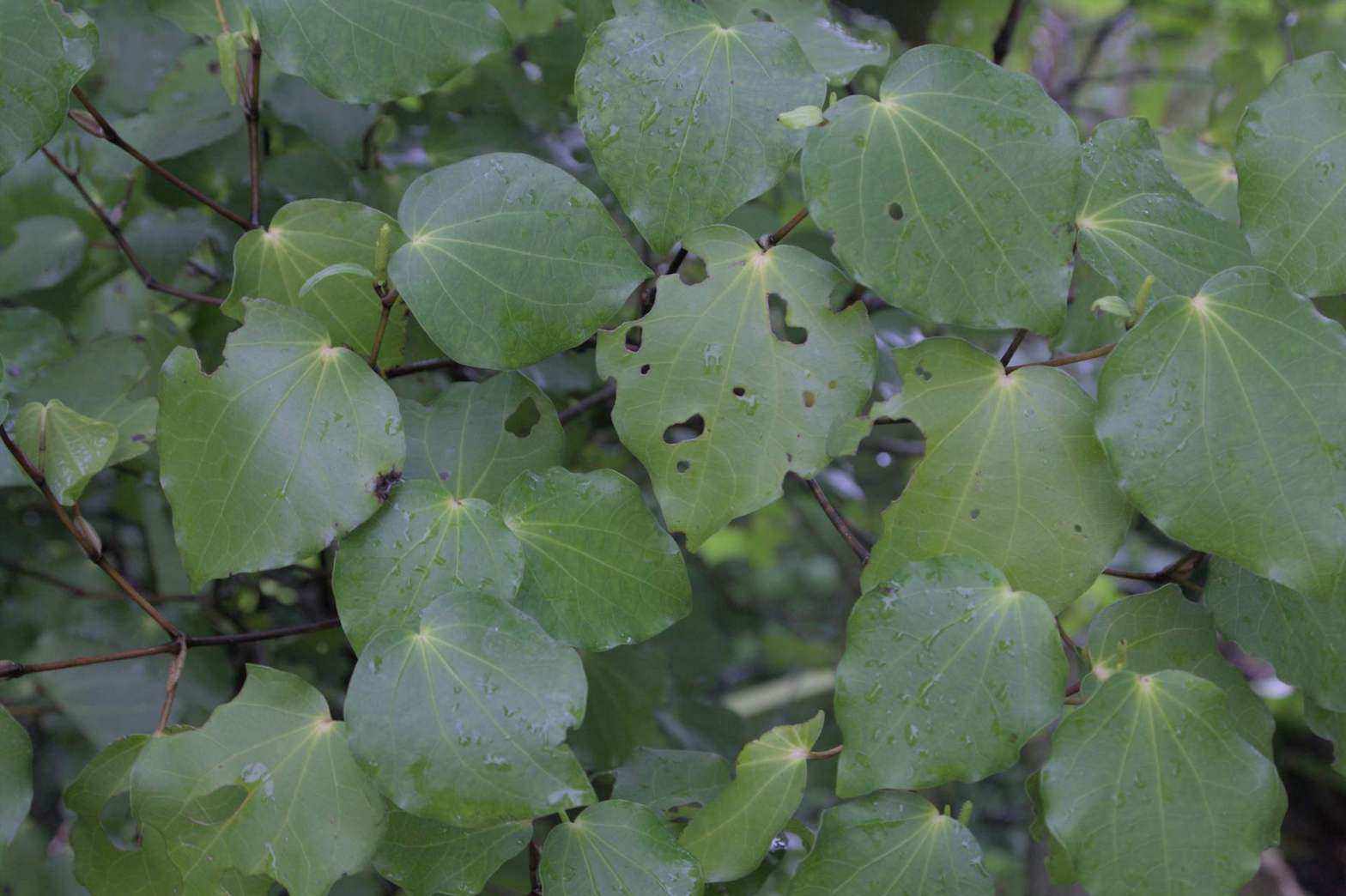
Piper excelsum (Kawakawa) Piper = pepper and excelsum = tall. Kawa = bitter. A few metres high in lowland bush, kawakawa is endemic to NZ. Recognition features of kawakawa: heart-shaped leaves with a palmate vein pattern leaf petiole is flattened at the base leaves often have holes, caused by a nocturnal looper caterpillar male andContinue reading “Know the native trees in Tawa reserves with Gil Roper – Kawakawa”
Completed lower track in the Forest of Tawa/Te Ngahere-o-Tawa
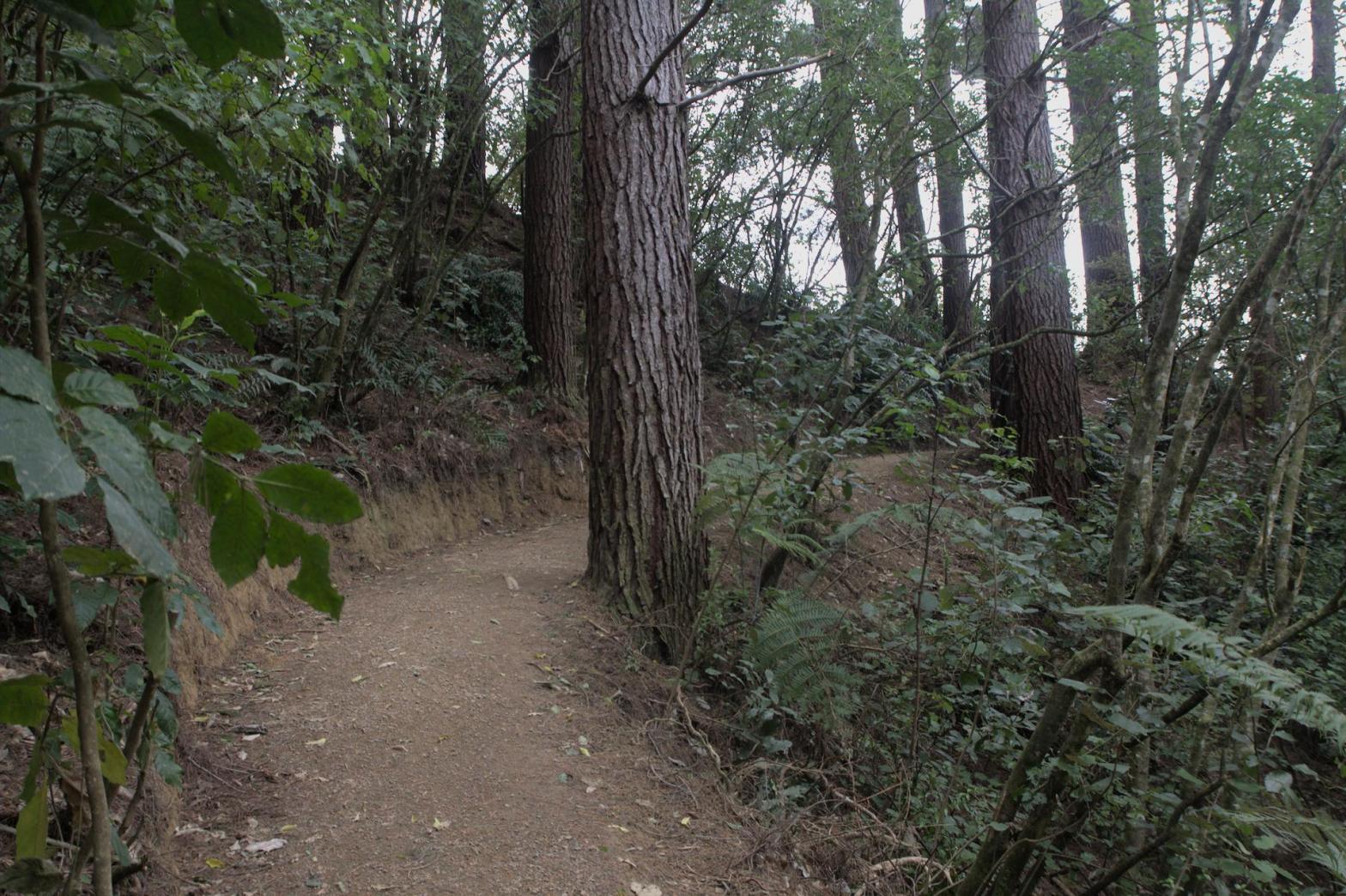
During June and July, WCC contractors undertook significant work, developing a new track, finally compacting the surface to enable stability of the surface. During this work, some windfall pine trees were cut, while native tree seedlings were repositioned near the track. Throughout the process, John Burnet and Andrew Liley maintained a watchful eye on proceedingsContinue reading “Completed lower track in the Forest of Tawa/Te Ngahere-o-Tawa”
Know the native tree species in Tawa reserves with Gil Roper – Kohekohe trees in winter

This is sometimes called ‘the funkiest tree’ in our native bush, with its white flowers in winter that grow directly from the trunk. The flowers provide a nectar source for tūī and korimako (bellbirds) at a time when other food is not as abundant. In some years, a strong sweet aroma is evident in theContinue reading “Know the native tree species in Tawa reserves with Gil Roper – Kohekohe trees in winter”
Know the native tree species in Tawa reserves with Gil Roper – Mamaku or Ponga?

Two of our most common NZ tree ferns, are both prevalent in the Tawa native bush reserves. Mamaku Our tallest tree fern, reaching up to 20m, mamaku (black tree fern/Cyathea medullaris) has distinctively black, scale covered koru as the fronds unfurl.The fronds extend up to 5m and can be as thick as a human armContinue reading “Know the native tree species in Tawa reserves with Gil Roper – Mamaku or Ponga?”
Know the native tree species in Tawa reserves with Gil Roper – Kanono

Kanono or Coprosma autumnalis –—- previously named C. grandifolia –—- Kanono is a common shrub, up to 6m found in shady, damp and sheltered parts of all the native bush reserves in Tawa. Recognition features of kanono: plants are dioecious (have separate male and female plants). Male flowers have dangling stamens that produce pollen while female flowersContinue reading “Know the native tree species in Tawa reserves with Gil Roper – Kanono”
A possum caught
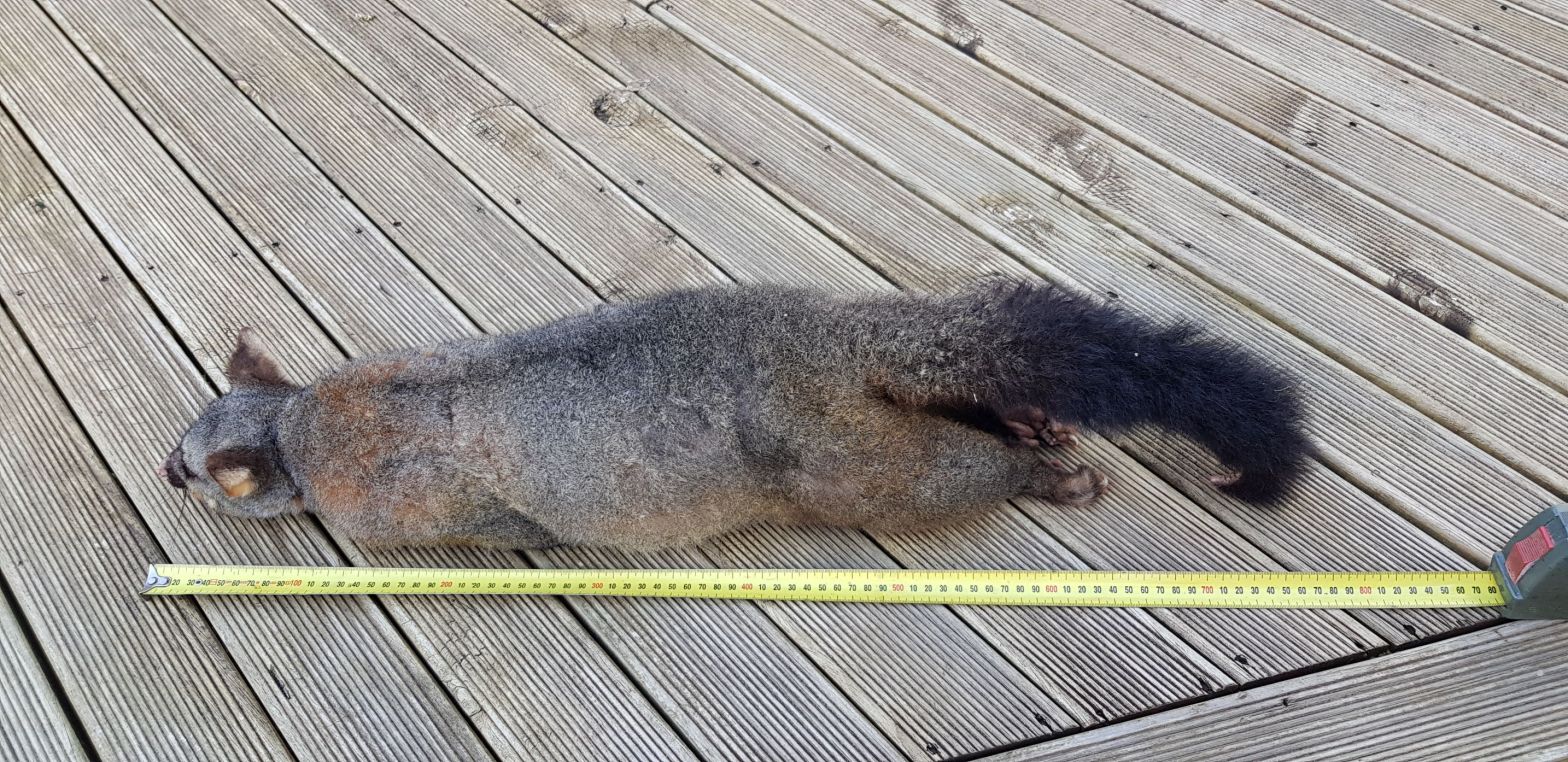
Andrew Liley reports a possum capture in a Pest Free Tawa trap Andrew advises this possum was caught in a Pest Free Tawa trap he maintains close to the south Tawa motorway interchange – great catch Andrew! “I had just reset and rebaited my three traps on 23rd June before the level 2 announcement and was passing oneContinue reading “A possum caught”
A further stoat
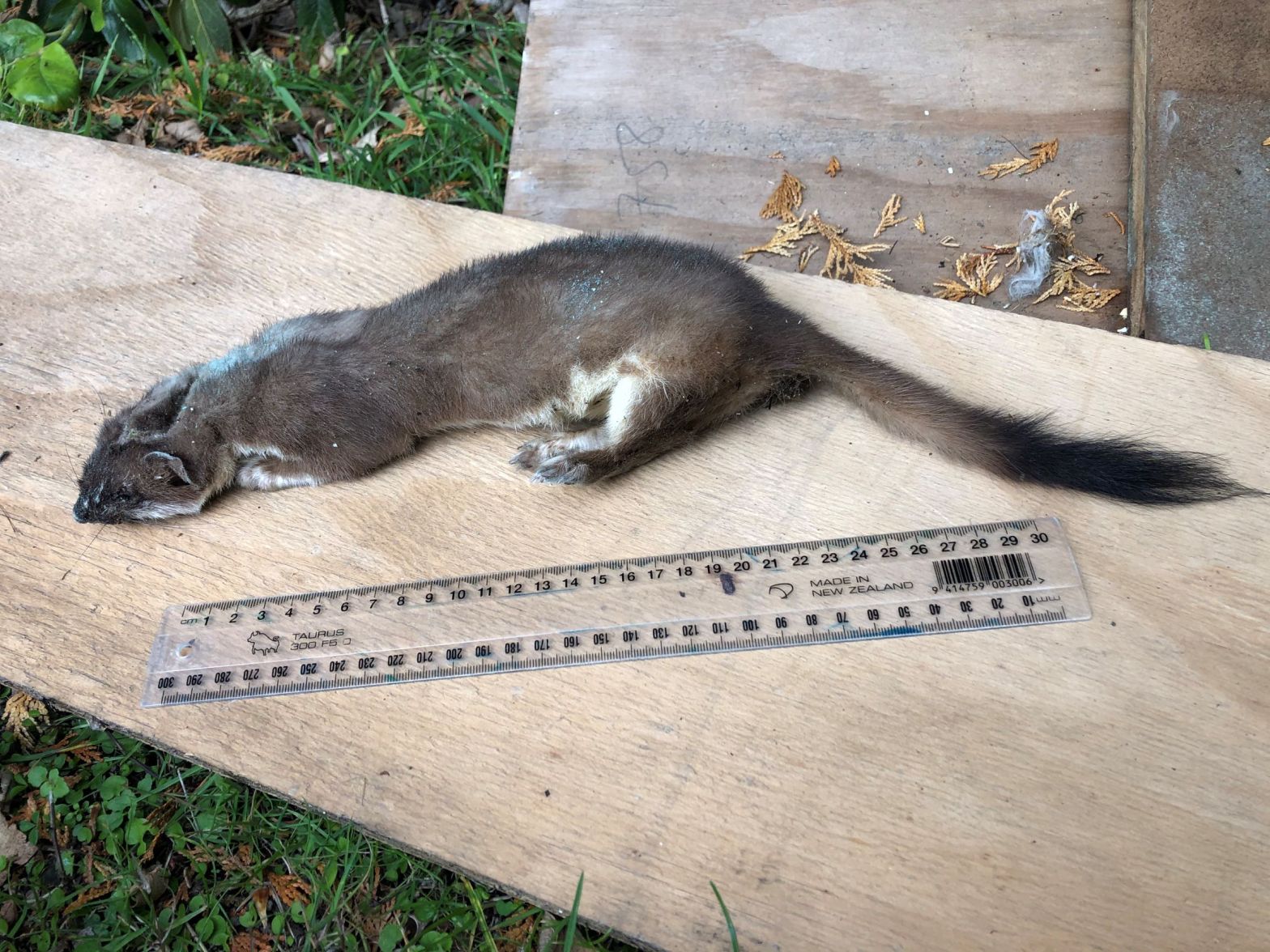
In his role as Pest Control Coordinator, Denis Rogerson reports another stoat capture, but this time in Mexted Reserve, in May 2021. Great to see this work being so effective. Our precious native birds will be so much better off for one less powerful predator out there. Awesome work. You can read more about stoatsContinue reading “A further stoat”
 Friends of Tawa Bush Reserves