
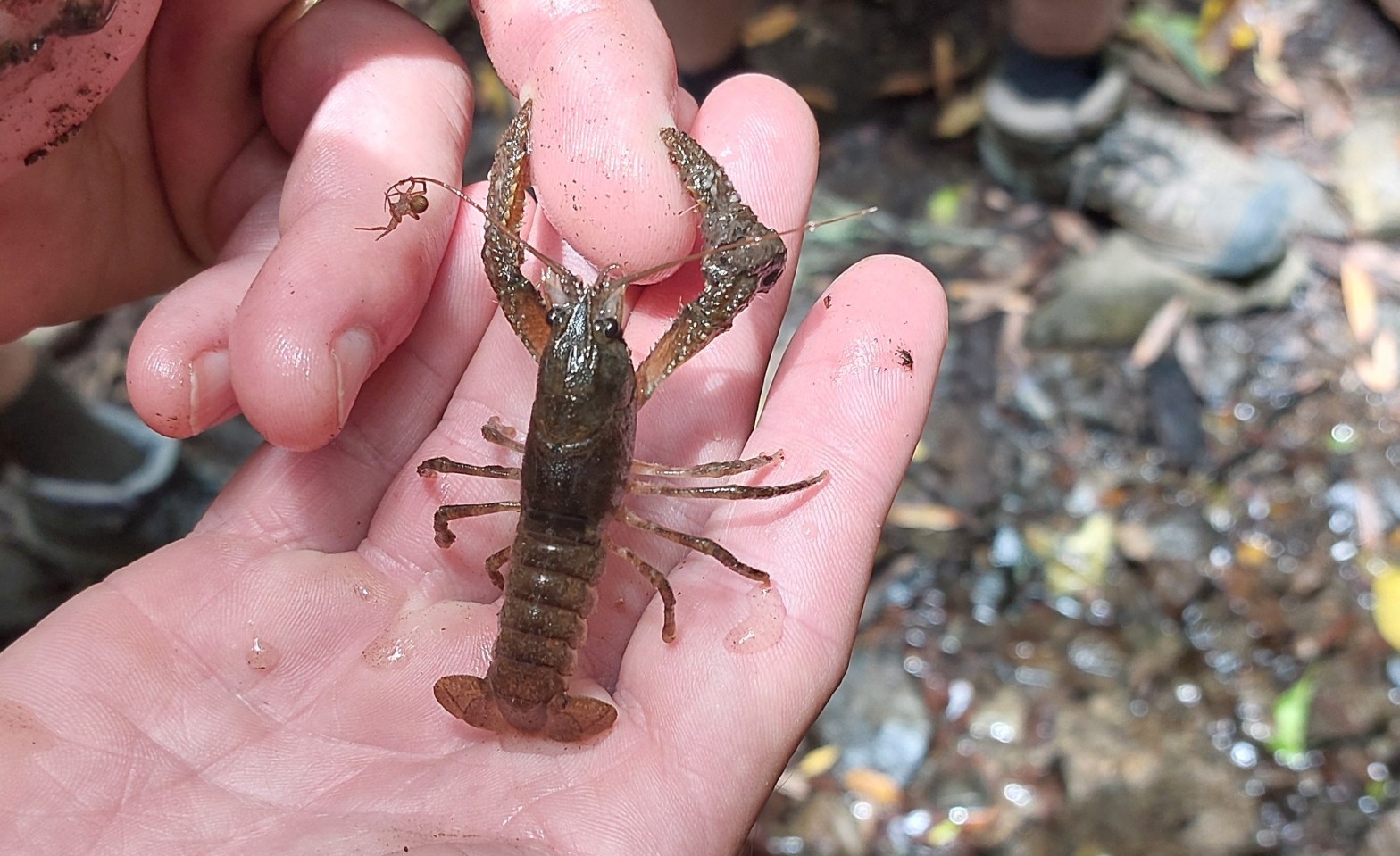
Kōura are found in native forest, exotic forest, and pastoral waterways, but very rarely in urban streams because of chemical pollution, increased flood flows from stormwater inputs, and degradation of habitat. They shelter between stones on gravelly bottoms but they can burrow into muddy bottoms and will burrow well down into swamps that dry outContinue reading “Our threatened native Kōura”
Category Archives: Fauna
Help Save the Endangered Native Red Admiral Butterfly
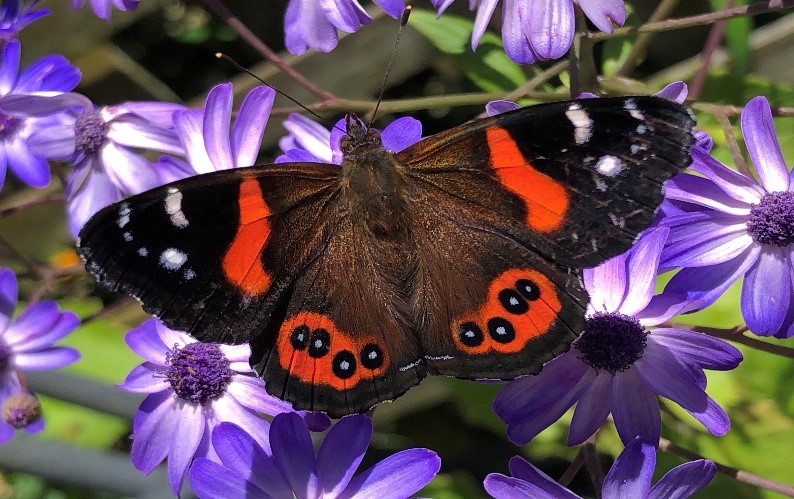
Gary Beecroft article Header Photograph by permission from Moths and Butterflies of NZ Trust Red admirals were common in New Zealand until the 1930’s. Now they have disappeared from many parts of New Zealand and are rare in others. Why? – Because……. The Red Admiral caterpillar’s food source is the native Ongaonga nettle shrub (PhotographContinue reading “Help Save the Endangered Native Red Admiral Butterfly”
Resurgence of kererū numbers in Tawa reserves
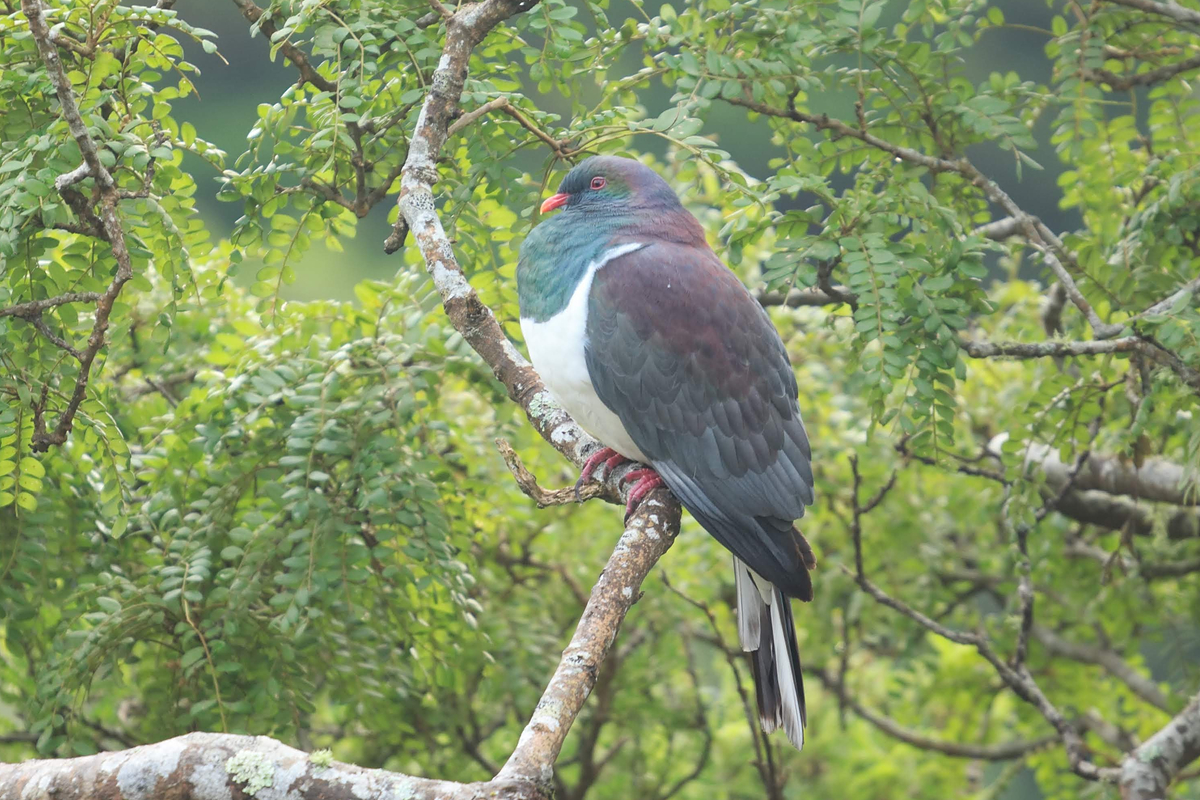
Seeds from many native trees rely on kererū for dispersal. With the extinction the huia and moa, kererū are the only native birds with a wide enough mouth to swallow large fruit. These include fruit of karaka, pūriri, taraire and tawa. The North Island kokako can also consume these fruit but their natural distribution doesContinue reading “Resurgence of kererū numbers in Tawa reserves”
Kakariki sighted!
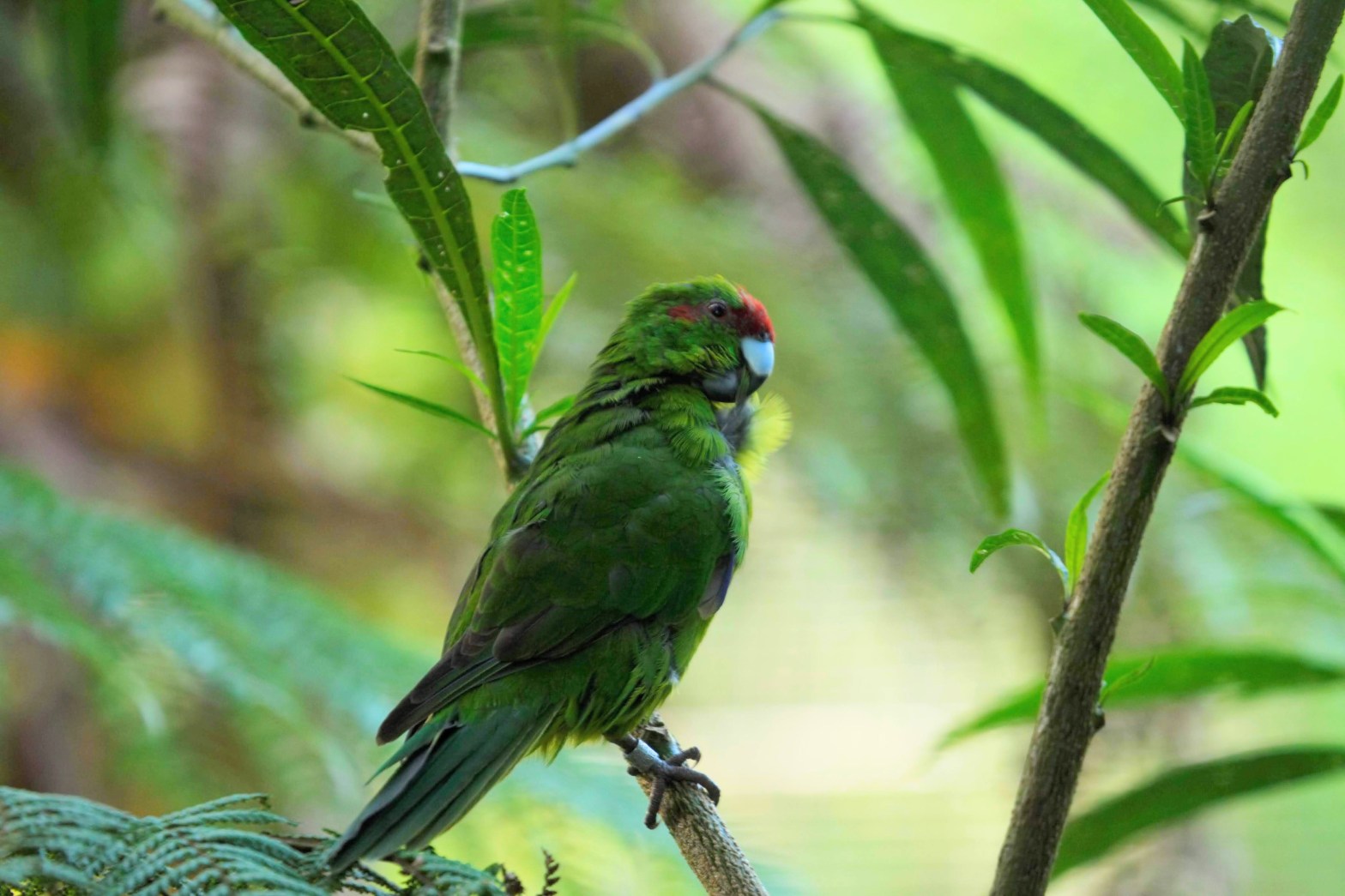
Gil Roper reports that four juvenile kakariki were heard and then sighted in Redwood Bush on Monday morning 14 November, 2022. They were seen by members of the U3A Botany group near the two huge pukatea trees, beside the stream that crosses the track in the gully between Achilles Close and Peterhouse Street. As theseContinue reading “Kakariki sighted!”
Kākāriki frequently heard and sighted in Redwood Bush
Kākāriki or red-crowned parakeets are one of three species of endemic parakeets found in NZ. The name means ‘small green parrot’ because of their predominantly green plumage. They make a loud rapid chatter in flight and also chatter and babble when feeding. Such sounds have been regularly heard, especially at the north end of RedwoodContinue reading “Kākāriki frequently heard and sighted in Redwood Bush”
Puriri moths – an extreme life cycle
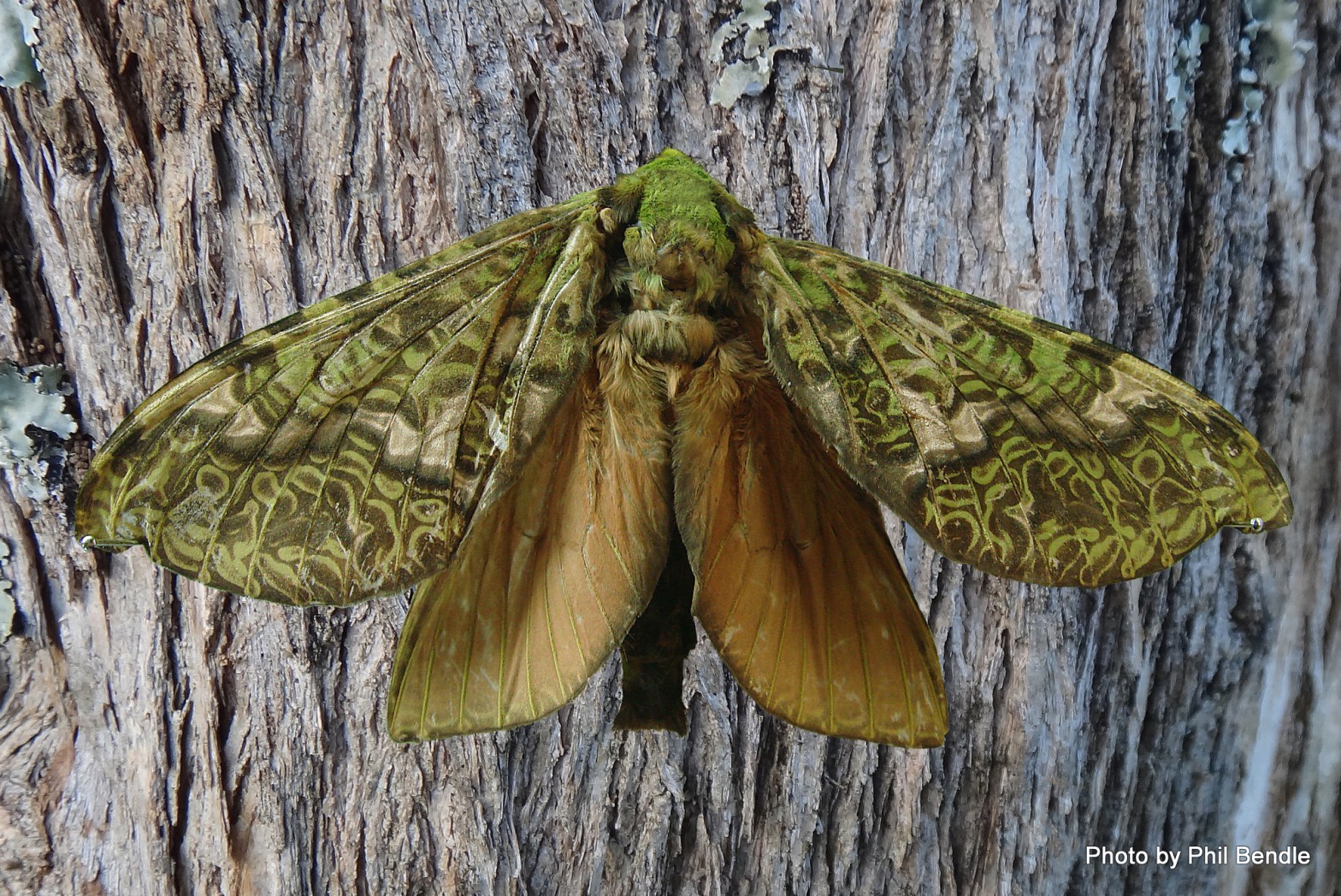
Pūriri moths (Aenetus virescens or pepe tuna) are New Zealand’s largest endemic flying moth. Larvae hatch on the bush floor and feed on fungi. Then they climb tree trunks such as pūriri (hence their name) and burrow into the trunk where they live for several years. Pūriri trees only have a northern distribution in the North Island.Continue reading “Puriri moths – an extreme life cycle”
What do Kererū eat in Winter?
There is minimal seed and fruit available from native trees in winter. Kererū frequently supplement their diet by consuming tree lucerne and young kowhai leaves which are both high in protein. Also when these plants are flowering, kererū take nectar from flowers. These birds are vital for dispersing the seed of large fruiting trees suchContinue reading “What do Kererū eat in Winter?”
Kārearea (NZ falcon) spotted in Tawa
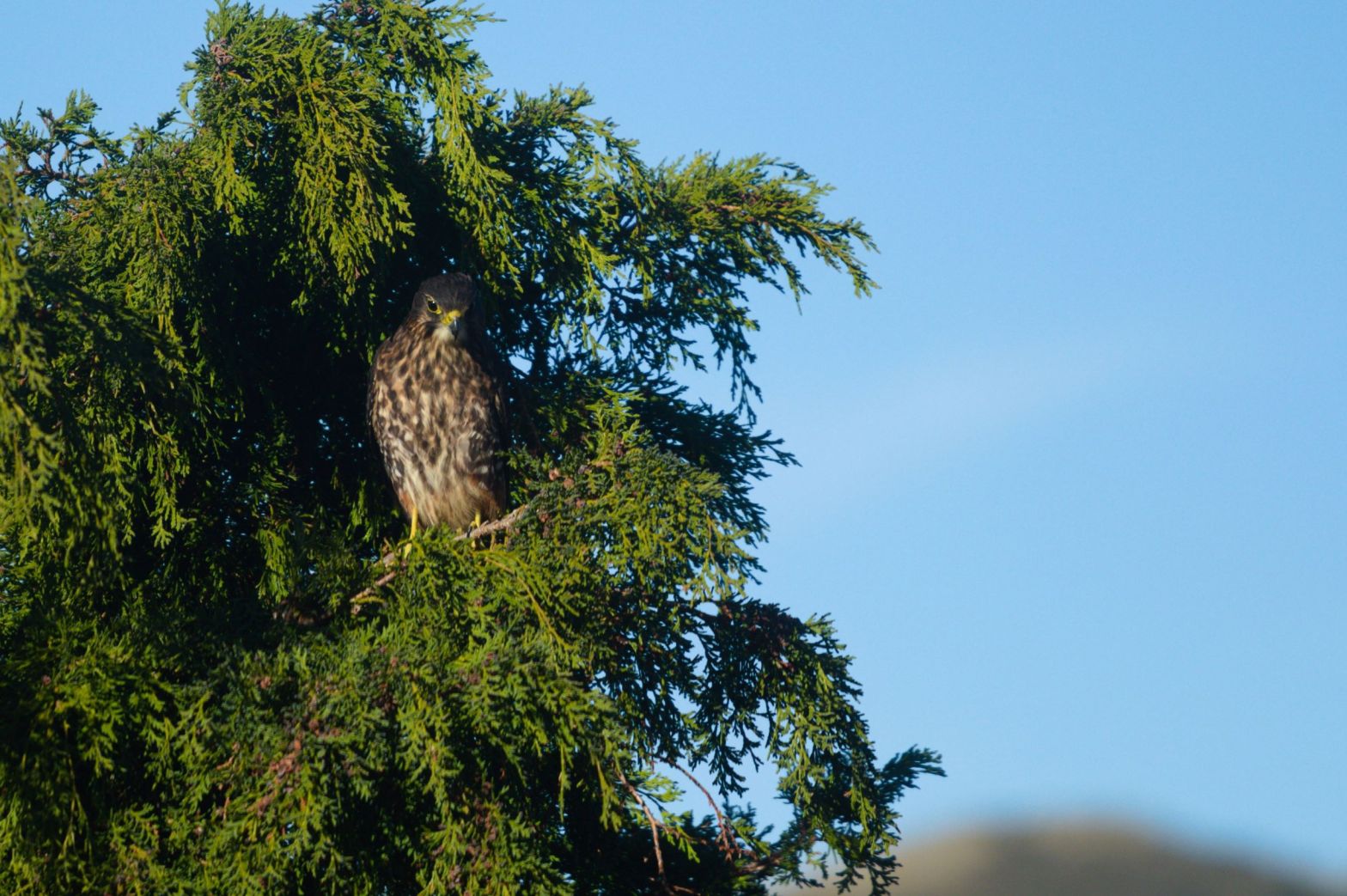
This bird was spotted just a few metres away on the roof of a Tawa suburban home in mid-May 2021, while it was in pursuit of a homing pigeon. Aggressive aerial hunters, these predatory birds are becoming more common in Tawa. This is pleasing to see as they are recognised as an endangered NZ speciesContinue reading “Kārearea (NZ falcon) spotted in Tawa”
 Friends of Tawa Bush Reserves