Rewarewa
NZ Honeysuckle, Knightia excelsa
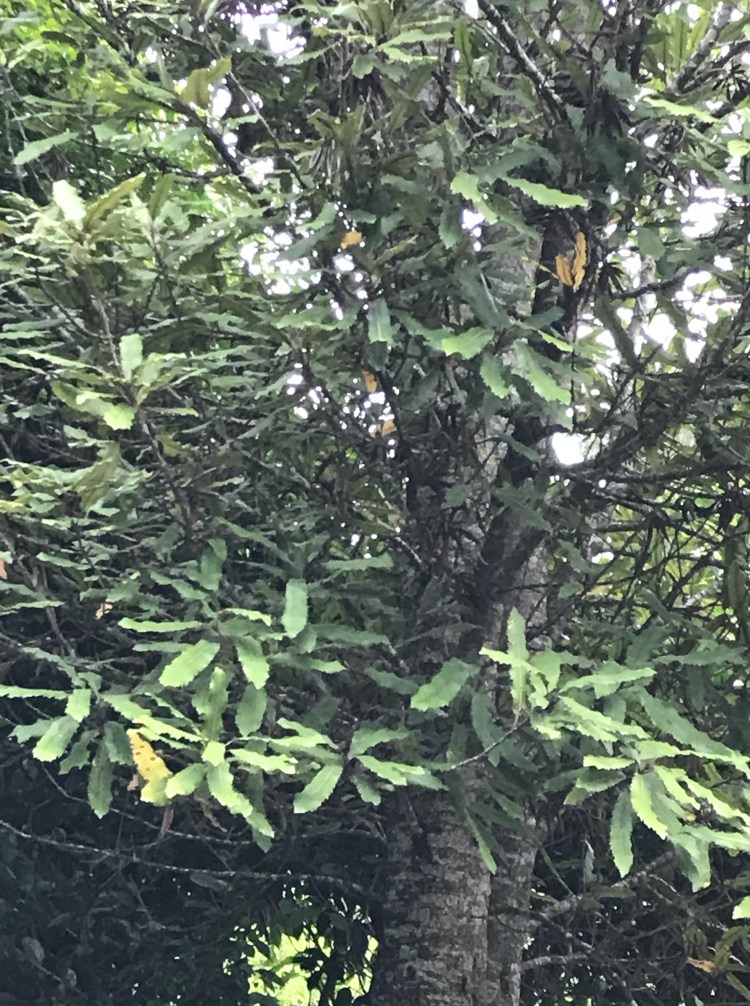
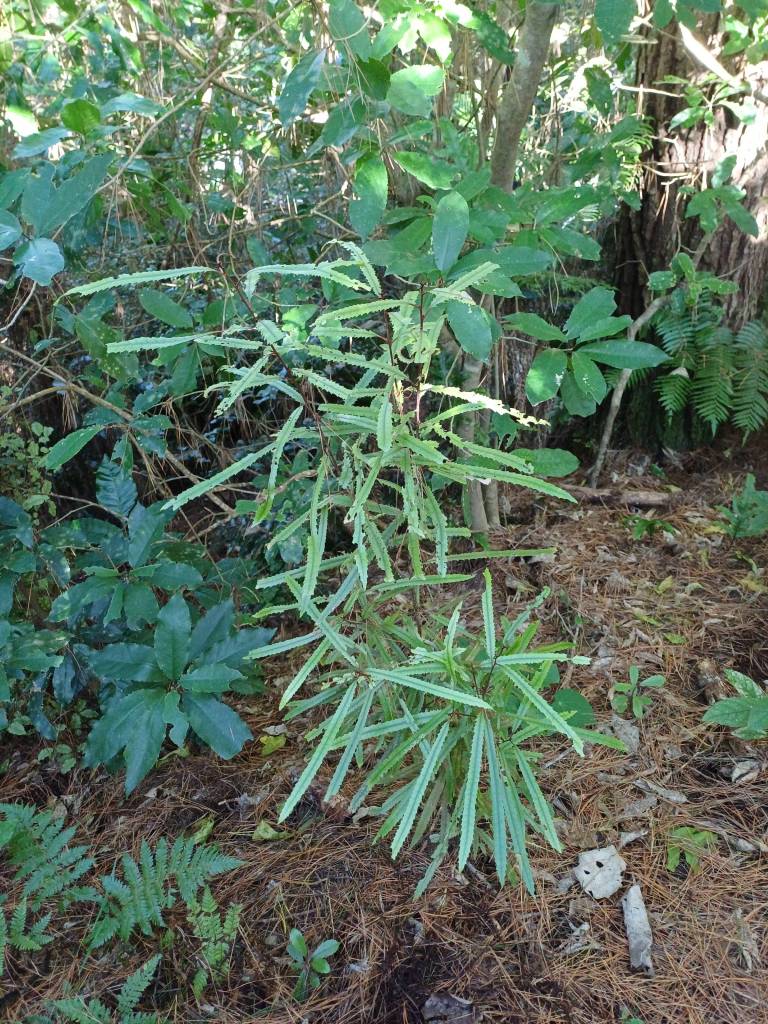
A member of the protea family, the conical, vertical columns ascend 30 metres into the canopy layer and often above it. There are several tall trees in Redwood Bush with abundant seedlings growing.
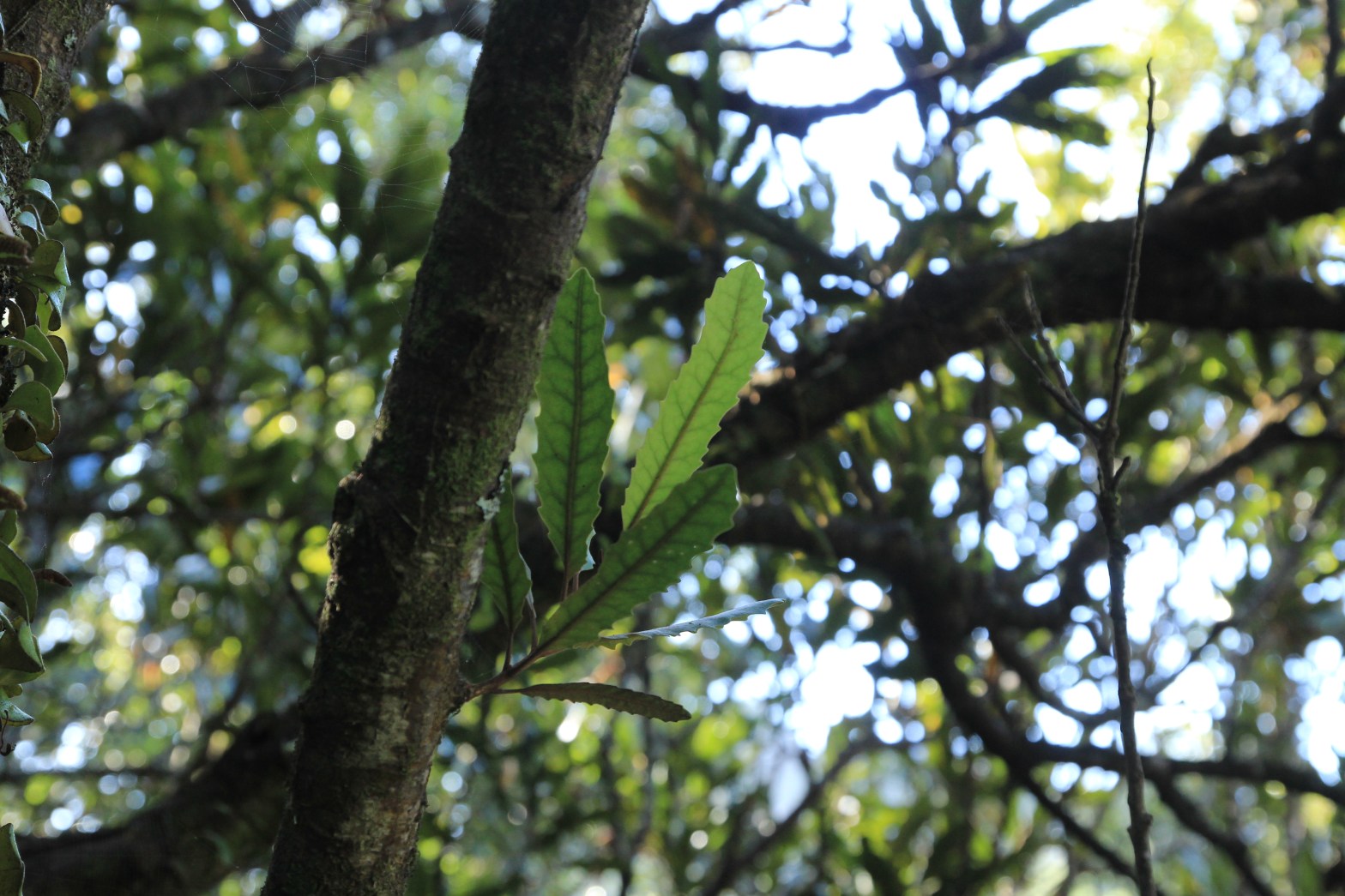
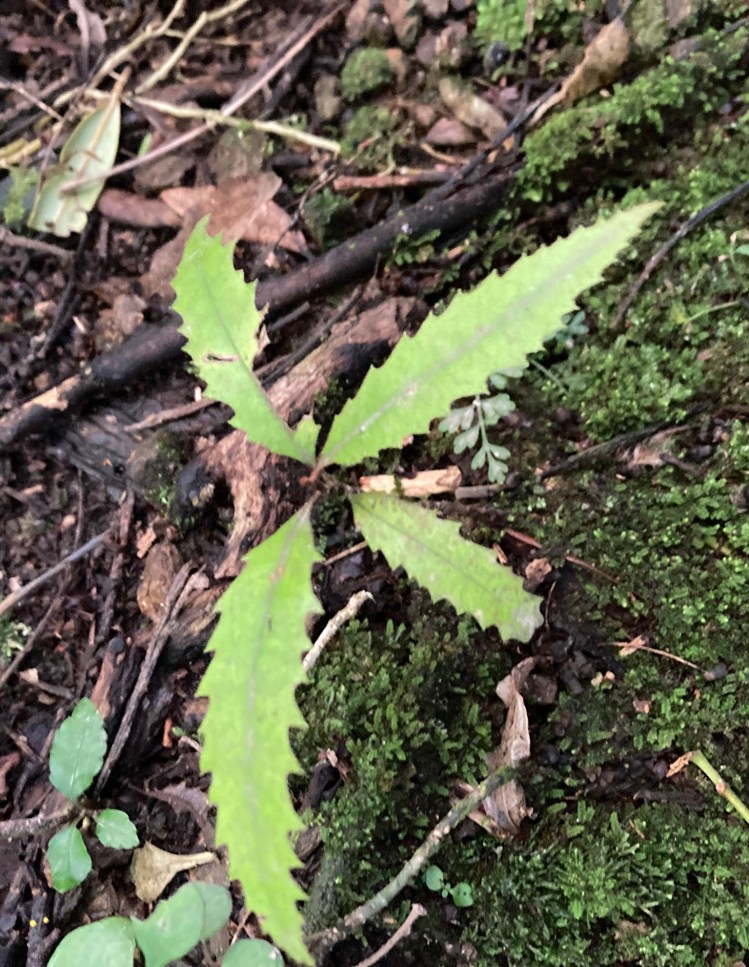
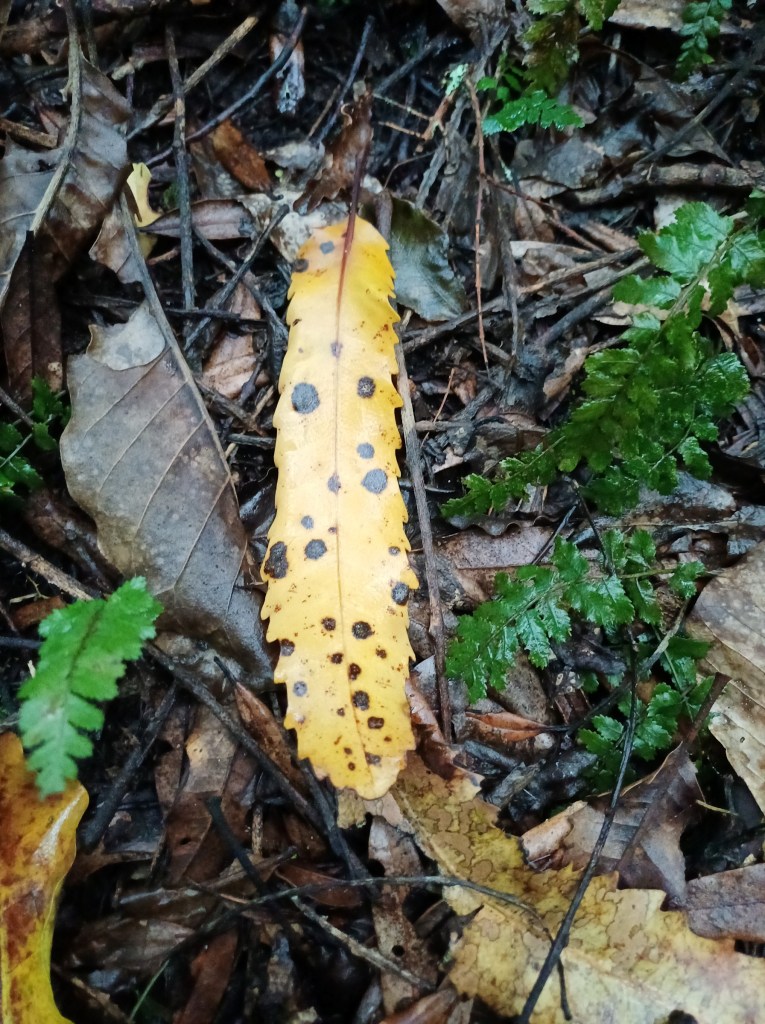
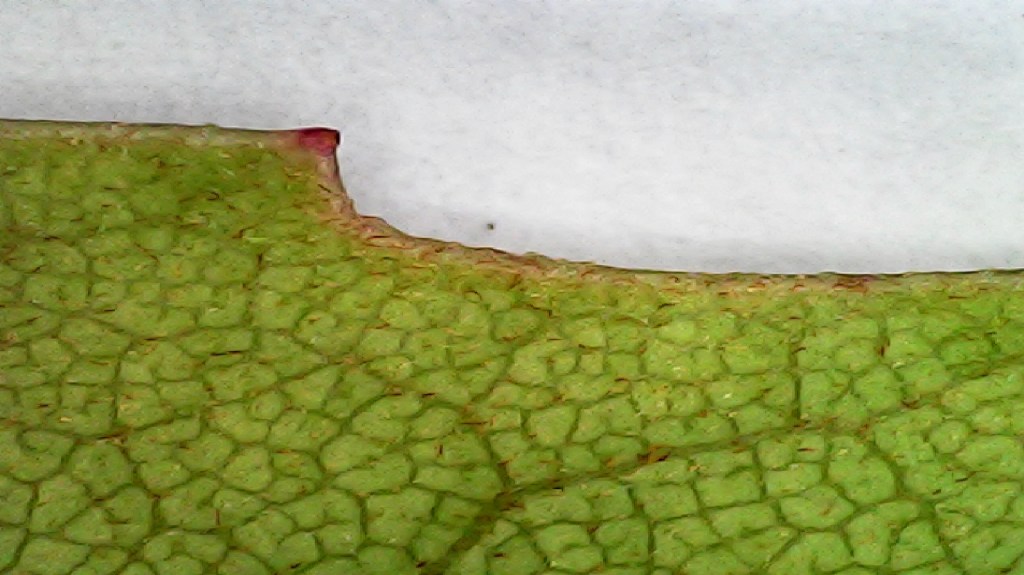
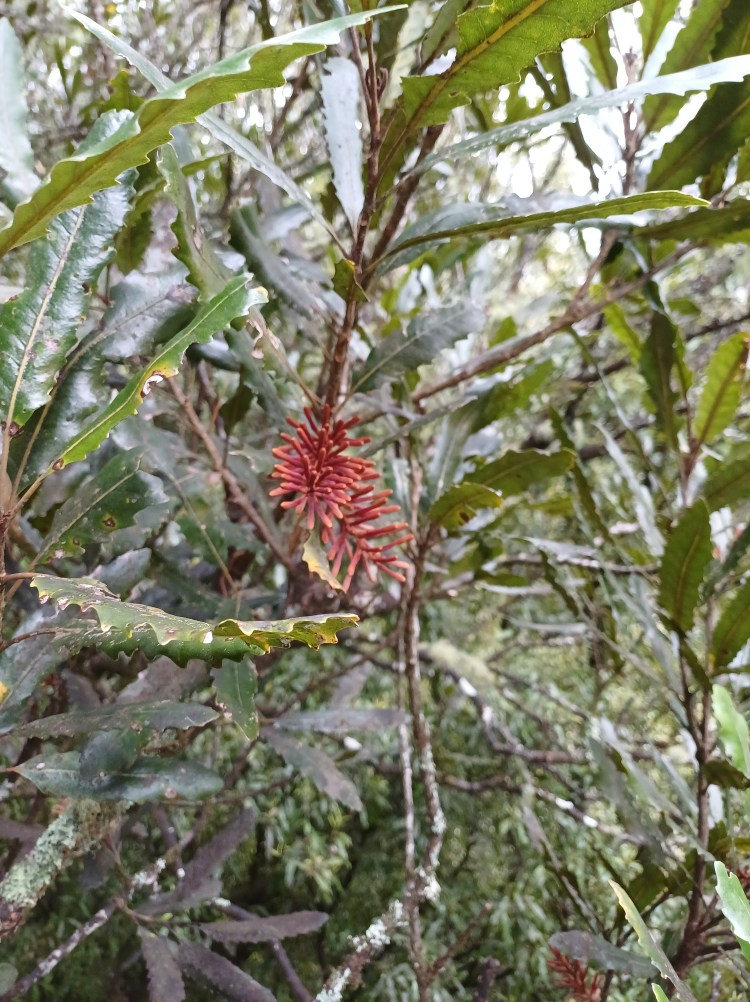
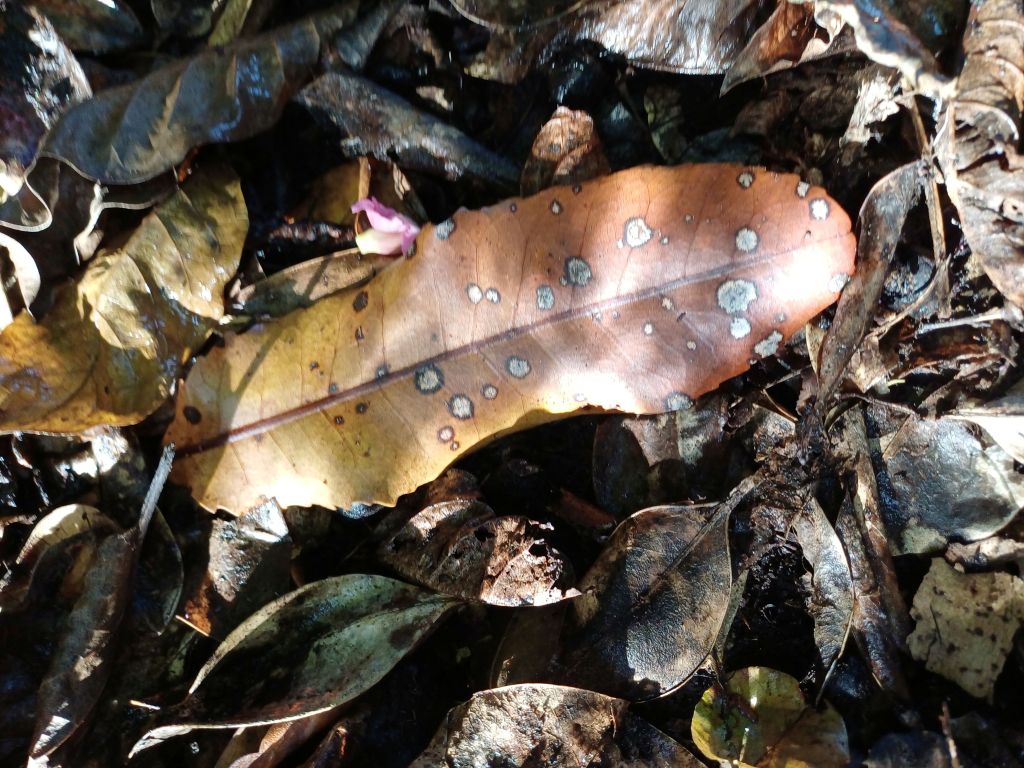
The leathery, elongated, dark green juvenile leaves have a prominent mid-rib and marginal teeth, and these leaves are twice the length of adult leaves.

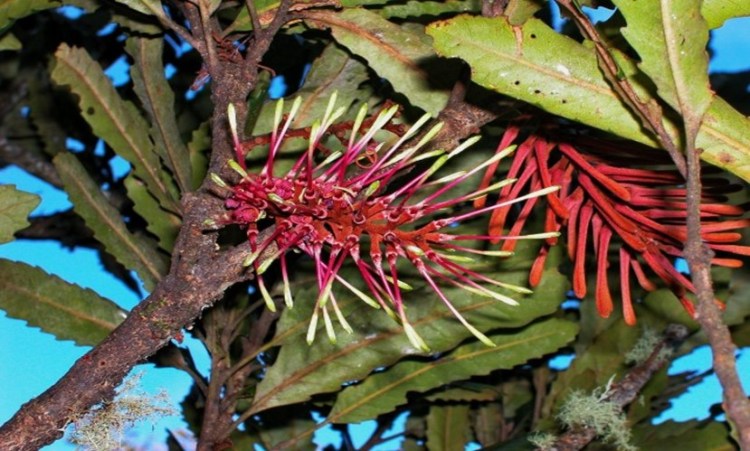
The striking red inflorescence consists of clusters of flowers that have the collective appearance of a ‘bottle-brush’. Individual flowers produce abundant nectar at the base that attracts tūī and korimako (bellbirds) for food.
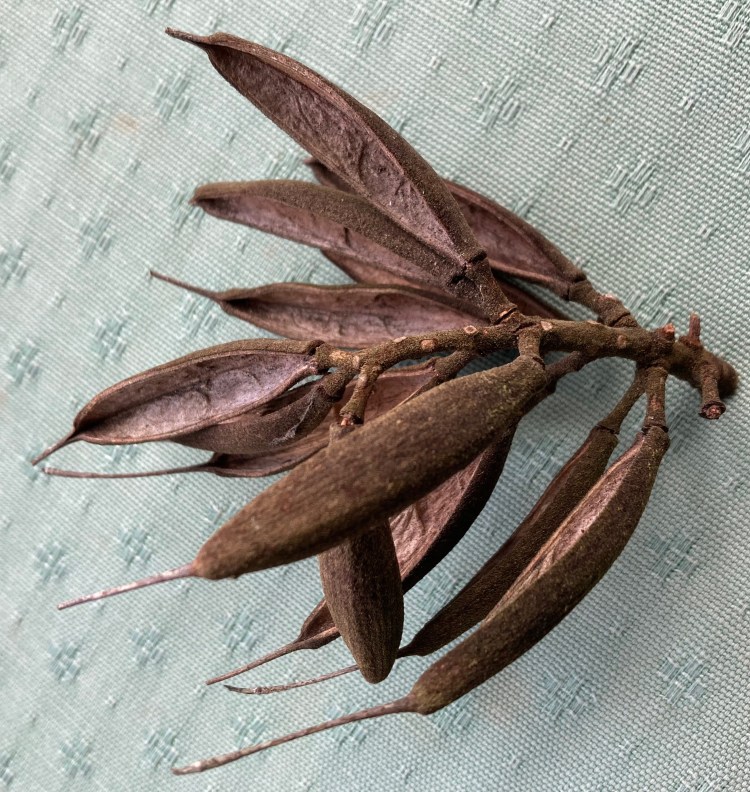
The nectar also provides a rich food source for bees for honey, for human consumption. It has a deep reddish colour and a caramel-like flavour. It is also known for its antioxidant properties. The fruit consists of dry brown ‘pods’ called woody follicles, and when mature, these split down their length to release seeds that have long thin wings which enable dispersal by wind.
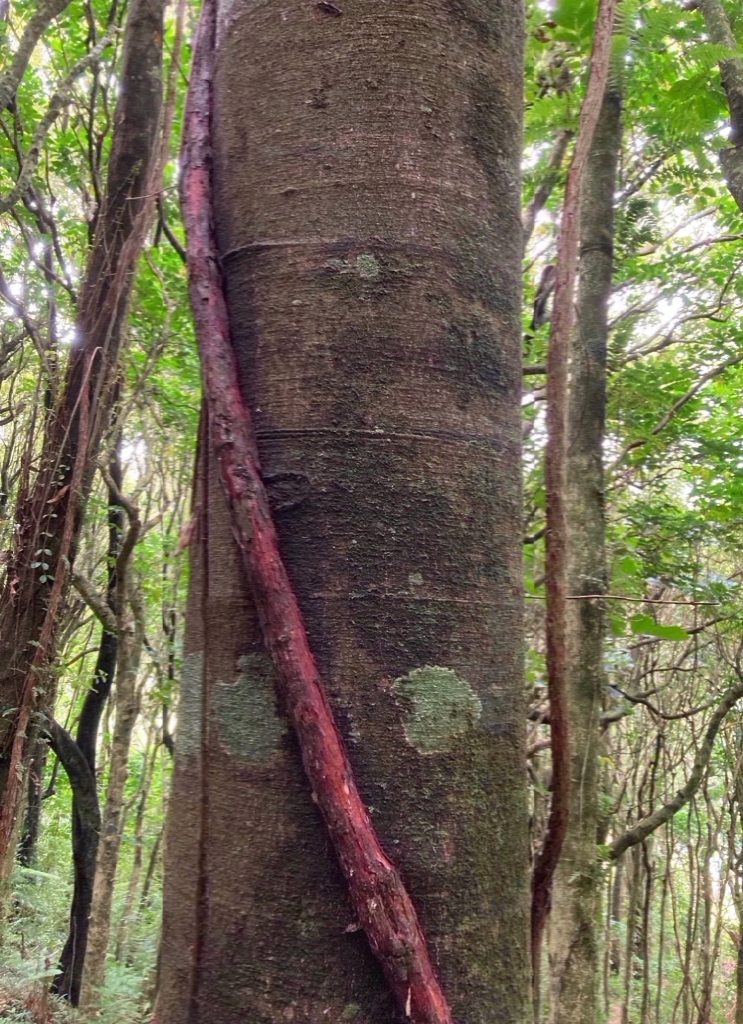
Tree trunks can be easily recognised with their ‘circular’ bands that are prominent around the bark surface. The brown vine in the photo is M. fulgens (scarlet rātā). Rewarewa is noted for its timber, which is attractive for interior work, but not durable in exposed situations. It was originally called New Zealand honeysuckle but the more common name is rewarewa. Pioneer European settlers saw the decorative properties of rewarewa wood and used it in inlay and marquetry work. However, the timber was also used in bush tramways, brake blocks, and fence battens.
Rewarewa gallery
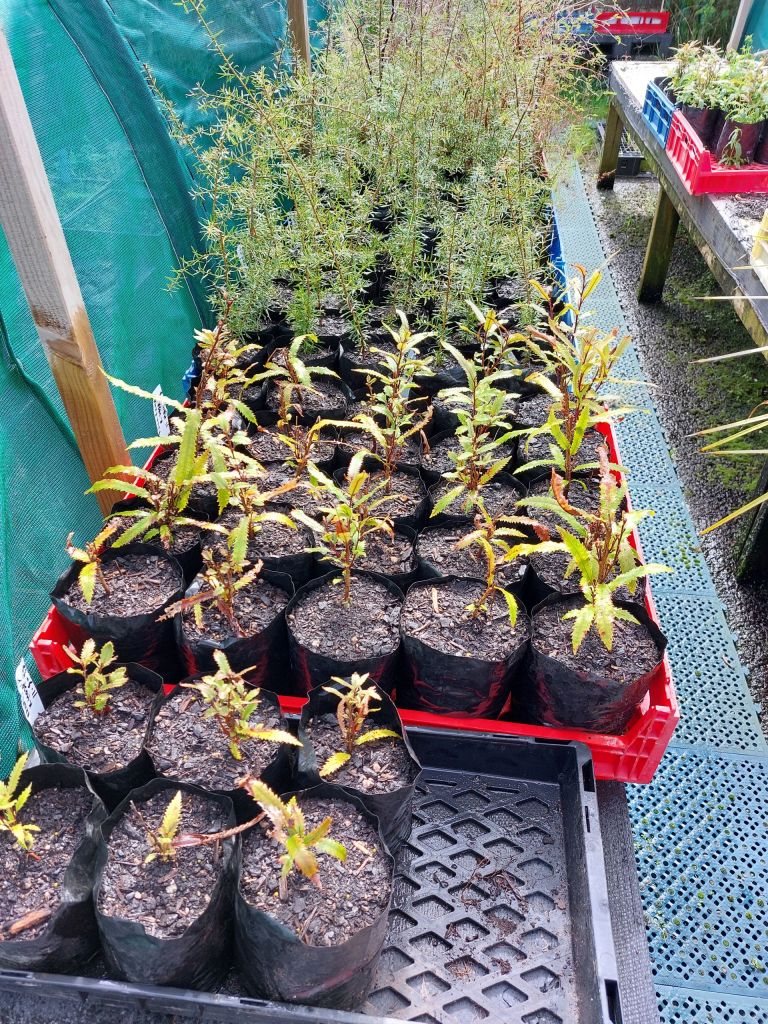

Article Source: Gil Roper Redwood Bush Tawa Book 2022 – content kindly supplied by Helen Roper with some additional images added from Liz and Joanne (nursery)
 Friends of Tawa Bush Reserves