
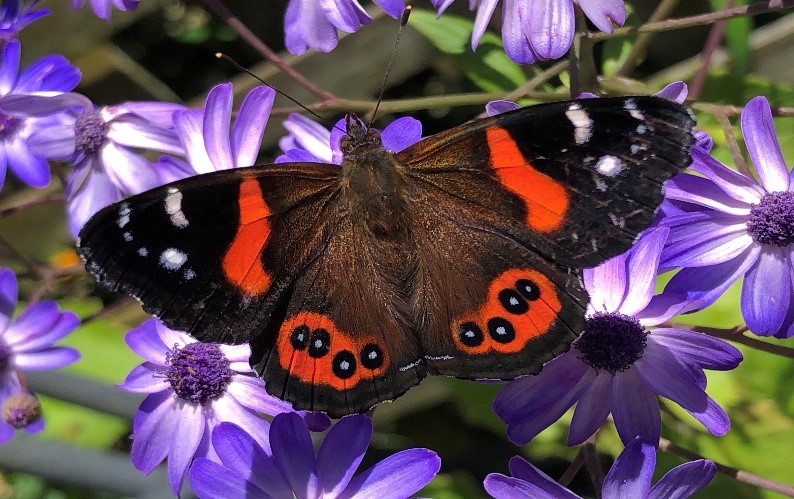
Gary Beecroft article
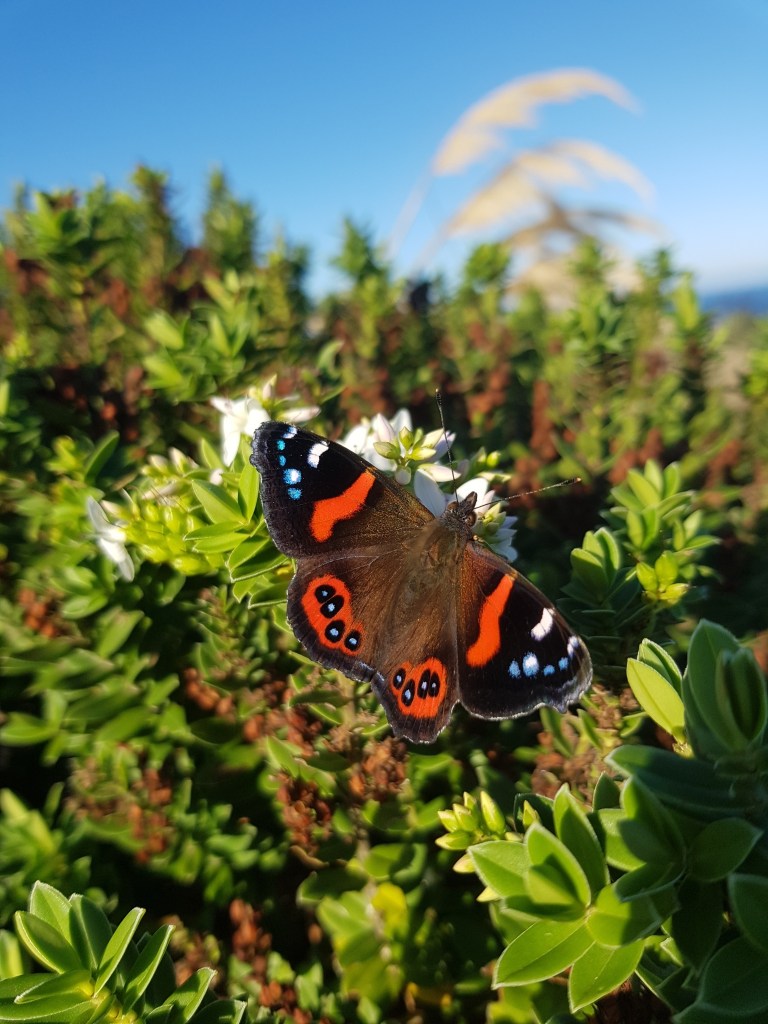
Header Photograph by permission from Moths and Butterflies of NZ Trust
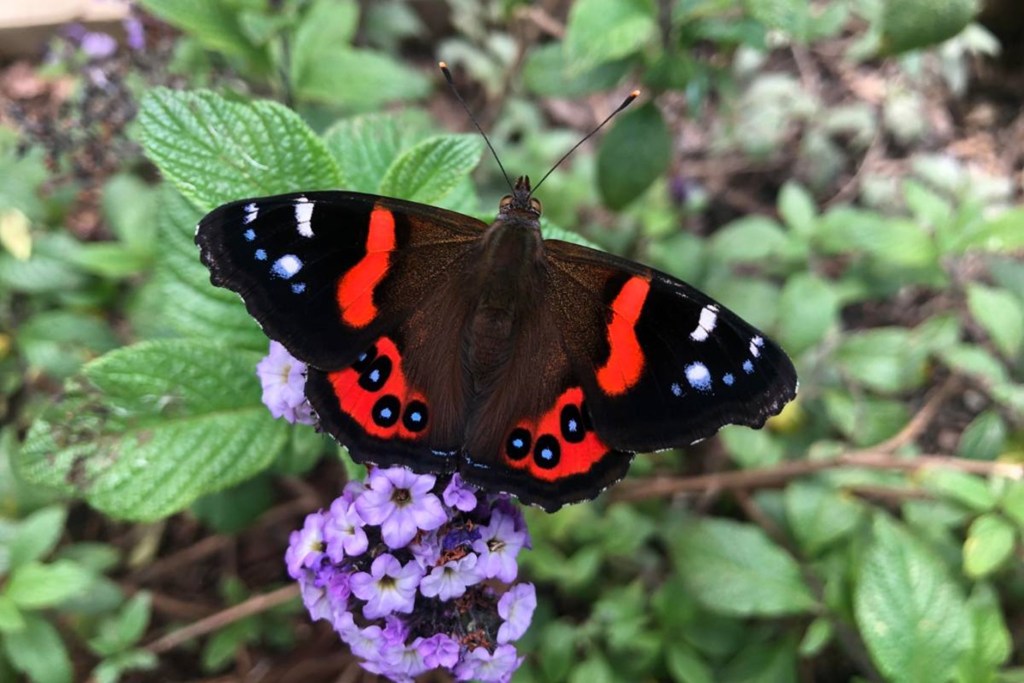
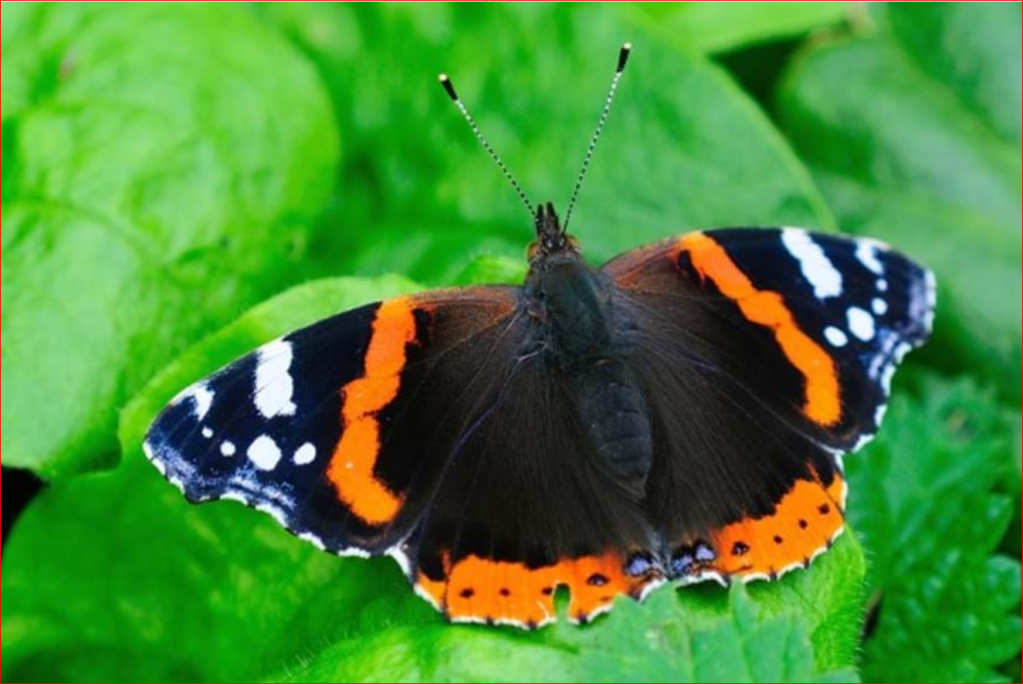
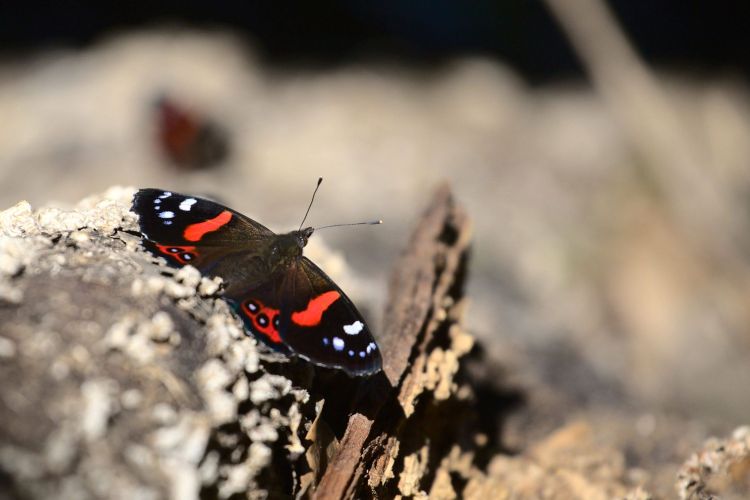
Red admirals were common in New Zealand until the 1930’s. Now they have disappeared from many parts of New Zealand and are rare in others.
Why? – Because…….
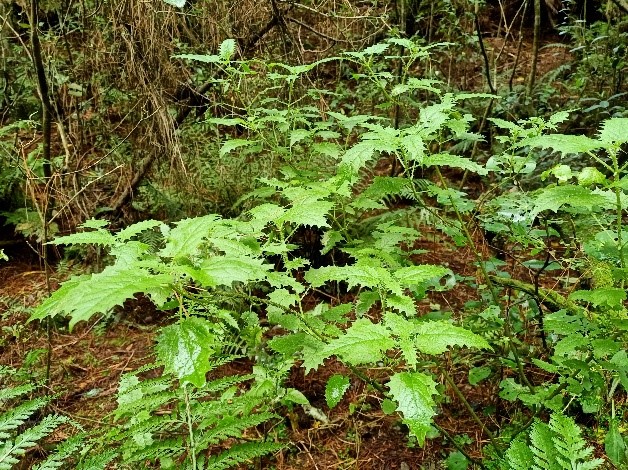
The Red Admiral caterpillar’s food source is the native Ongaonga nettle shrub (Photograph left, Katherine Littler FOTBR) and is being destroyed by agriculturalists, city and regional councils. The female butterfly only lays eggs on Ongaonga.
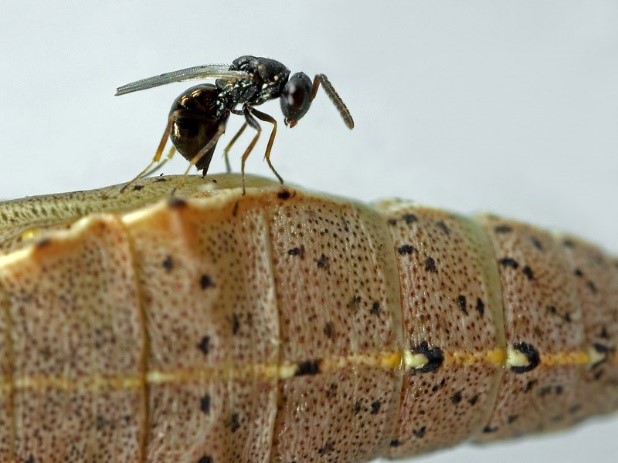
The white butterfly pupal parasitoid wasp oviposits the cocoon, and their larva eat the pupa in the cocoon
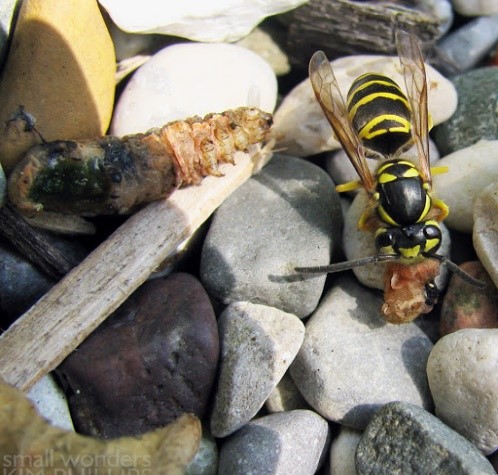
Introduced predator European wasps eat the caterpillars
If you would like to help save this beautiful native butterfly please send your contact details to Gary Beecroft, 0225898581; gary.beecroft@xtra.co.nz; and get information and a newsletter.

Actions
- Get seeds and plant Ongaonga nettle shrubs for Red Admiral caterpillars.
- Locally control wasps with sugar water traps beside your Ongaonga plant.
- Establish plants with flowers that produce nectar to feed butterflies.
- Record sightings of Red Admiral, Ongaonga, caterpillars and pupa, on iNaturalist.
- If you grow the Ongaonga at home, please send any data you collect to Gary.
1. Planting Ongaonga Nettles for Caterpillars.
Collect seeds (or buy online) and plant into pots, with about 4 weeks wait to germinate. After about 16 weeks replant into isolated part of the garden.
Caution Wear gloves collecting or transplanting, as the hairs can sting you. Transplant into a secluded part of your garden, away from children and pets because it does have a painful sting.
Details If you supply your contact details, we may be able to supply you with seeds in 2025.
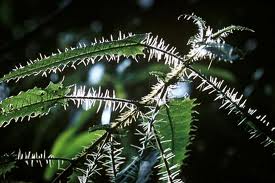
2. Control wasps with sugar water traps beside your Ongaonga plants to
protect caterpillars and pupa
European and parasitic wasps drink nectar so they can be easy to trap and kill.
Cut the top part of a large plastic bottle (coke, fanta) below the neck, and place it head down just inside the remaining bottle (picture below).
Add a half cup of sugar water, with a tablespoon of vinegar (to exclude bees), and 4 drops of liquid dish soap (to break surface tension).
Place the trap beside the Ongaonga or in a nearby tree. If you have time, every few days, when you empty and refill the trap, please; record the days, and number and types of wasps, and count any butterfly, caterpillars, pupa on the Ongaonga, and emailing information to Gary. We can give you identification and data sheets, to help you with this information collection.
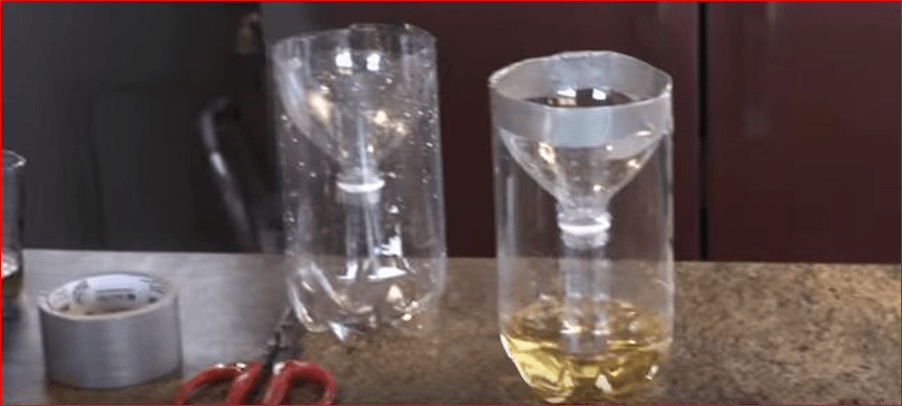
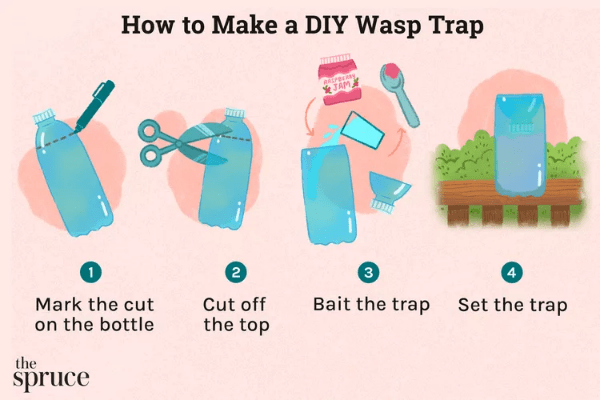
(Photos and description sourced from “The Spruce”) Also How to Make a Wasp Trap (with Pictures) – wikiHow
3. Establish nectar producing flowering plants essential for butterflies.
Native-plants-for-NZ-butterflies.pdf (nzbutterflies.org.nz)
NZ native flowering vines – Search (bing.com)
Flowering plants • New Zealand Plant Conservation Network (nzpcn.org.nz)
List-of-some-nectar-species.pdf (nzbutterflies.org.nz)
How to Attract Butterflies to your Garden | Forest and Bird
Gardens — Trees for Bees (treesforbeesnz.org)
4. Information
We would welcome people to also record any observations of red admiral and ongaonga in iNaturalist https://www.iNaturalist.org so that we can better determine the prevalence and distribution of these species. Please contact us if any help is required in registering or uploading your observations. The project site is: https://www.iNaturalist.org/projects/fotbr-red-admiral-project
 Friends of Tawa Bush Reserves